Why a Centrifugal Compressor in Air Separation Is Essential for Modern ASUs

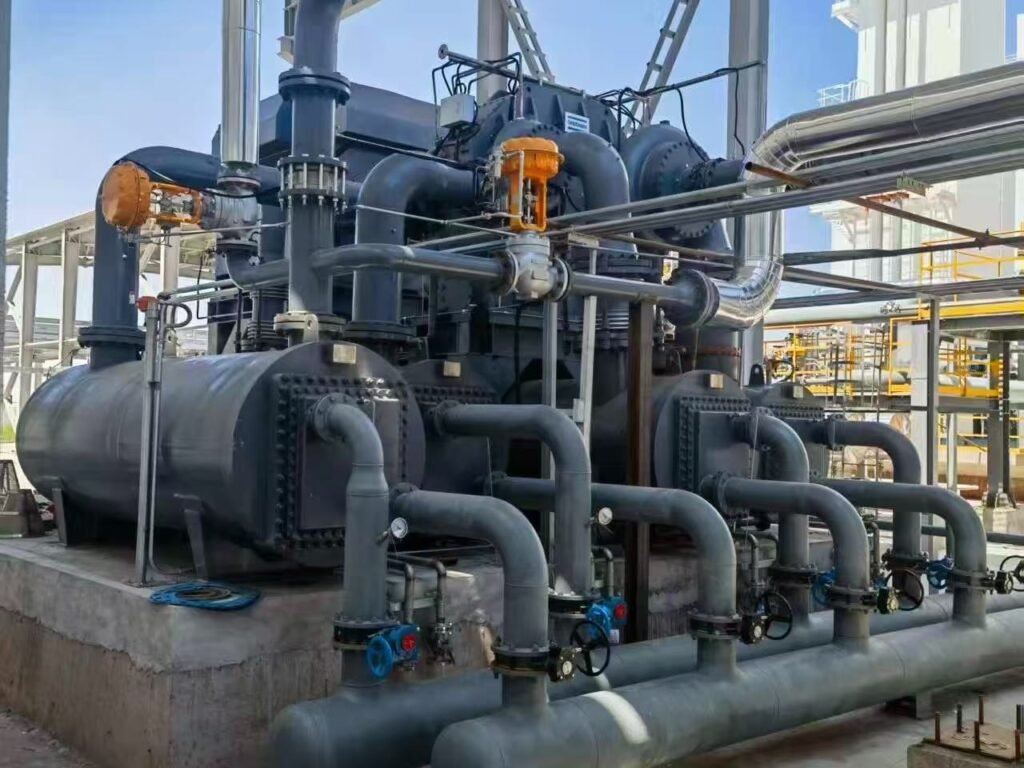
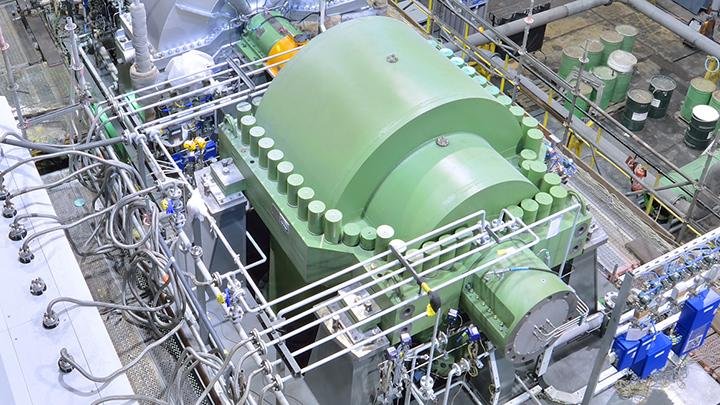
A centrifugal compressor in air separation is one of the most critical pieces of equipment in modern air separation units (ASUs). It provides the high-volume, high-efficiency compressed air required for cryogenic distillation, making it the foundation of reliable industrial gas production. In this article, we’ll explore why centrifugal compressors play such a vital role in air separation systems and how they improve plant performance.

1. Why Is a Centrifugal Compressor in Air Separation So Important?

The core principle of air separation is cryogenic distillation, where air is cooled to extremely low temperatures to separate its components. However, before this happens, air must first be compressed, purified, and cooled.

A typical air separation process includes:

  • Air intake and filtration
  • Main air compression
  • Cooling and purification
  • Cryogenic separation in distillation columns

Among these steps, compression is the most energy-intensive stage, often accounting for 50%–70% of total ASU power consumption.

This makes the compressor the true “engine” of the entire system.

2. Why Centrifugal Compressors Are the Preferred Choice

In industrial air separation plants, both screw compressors and centrifugal compressors can be used. However, for large-scale systems, centrifugal machines dominate.

Ideal for High-Volume Air Handling

Large ASU plants often process:

  • 50,000 to over 300,000 Nm³/h of air

The Centrifugal Compressor is particularly suitable because:

  • It handles very large flow rates efficiently
  • It supports multistage pressure increase
  • It is ideal for continuous operation

Compared to screw compressors, centrifugal types are far more efficient in high-capacity applications.

Higher Energy Efficiency

Energy consumption is a major cost driver in air separation plants, often accounting for most of the operating expense.

Centrifugal compressors offer:

  • Continuous, non-pulsating airflow
  • Lower internal mechanical losses
  • High efficiency in multistage configurations
  • Excellent compatibility with turbine-driven systems

As a result, in industrial gas compression systemscentrifugal compressors typically achieve lower specific energy consumption (kWh/Nm³).

Better Performance in Cryogenic Conditions

Air separation occurs at extremely low temperatures, typically between -170°C and -190°C. This requires equipment that is:

  • Highly stable during continuous operation
  • Resistant to vibration and mechanical stress
  • Reliable under varying process loads

Because of their simple structure and fewer moving parts, centrifugal compressors perform exceptionally well in cryogenic air separation systems.

3.The Role of Centrifugal Compressors in ASU Plants

In air separation units, centrifugal compressors typically function as the:

Main Air Compressor (MAC)

Their responsibilities include:

Supplying High-Pressure Feed Air

Compressed air is the foundation of the entire separation process. It must be delivered at the required pressure before entering:

  • Molecular sieve purification systems
  • Heat exchangers
  • Cryogenic distillation columns

Without stable compressed air, the ASU cannot operate.

Supporting Thermal and Process Integration

After compression, air passes through a complex thermal system involving:

  • Intercooling stages
  • Heat recovery systems
  • Expansion turbines

Centrifugal compressors integrate efficiently with these systems, improving overall thermodynamic performance.

Ensuring Continuous Industrial Operation

ASU plants are designed for:

  • 24/7 continuous operation
  • High reliability
  • Minimal downtime

The robust mechanical design of centrifugal compressors ensures long-term stability with low maintenance requirements.

4. Why the Industry Increasingly Relies on Centrifugal Compressors

With rising demand for industrial gases in steelmaking, chemicals, healthcare, and semiconductor manufacturing, ASU systems are evolving toward:

  • Larger scale production
  • Higher energy efficiency
  • Intelligent automation control

In this context, the Centrifugal Compressor becomes even more important because it offers:

✔ Excellent performance at large scale
✔ Lower lifecycle cost (LCC)
✔ Strong compatibility with modern turbine systems
✔ Alignment with low-carbon industrial goals


Therefore, centrifugal compressors have become the standard configuration in modern air separation compressor systems.

centrifugal compressor in air separation

5. Technical References (External Links)

6. Conclusion

So, why are centrifugal compressors a core component in air separation systems?

The answer is clear:

In air separation, compression defines energy consumption, and flow capacity defines plant scale. Centrifugal compressors uniquely deliver high flow, high efficiency, and high reliability—making them the true power core of ASU systems.

Their key advantages include:

  • Ability to handle ultra-large air volumes
  • Lower long-term energy consumption
  • Stable performance in cryogenic environments
  • Compatibility with modern large-scale ASU plants

As industrial gas demand continues to grow, centrifugal compressors will remain the “heart” of air separation technology for the foreseeable future.

 

发表评论

您的邮箱地址不会被公开。 必填项已用 * 标注