Why Is a Centrifugal Compressor a Clean Energy Source?
As industries transition toward cleaner and more sustainable operations, equipment efficiency has become just as important as the energy source itself. Engineers often ask how centrifugal compressors contribute to cleaner industrial processes and sustainable energy systems.
Strictly speaking, a centrifugal compressoris not an energy source like solar or wind power. Instead, it is a high-efficiency machine that enables clean energy technologies by compressing gases with minimal energy loss. From hydrogen production to carbon capture and renewable energy storage, centrifugal compressors are essential components of modern low-carbon infrastructure.
What Is a Centrifugal Compressor?
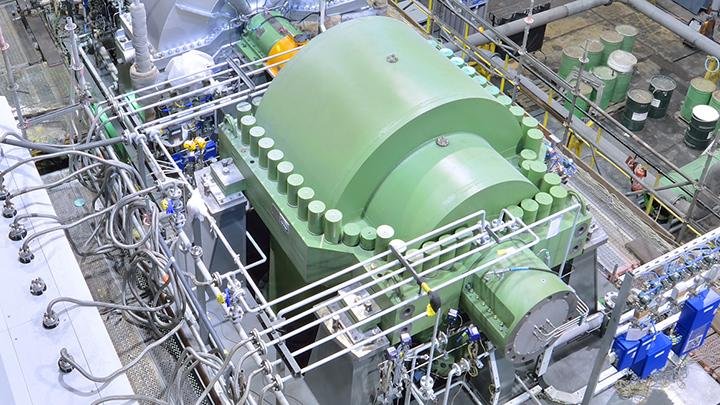
A centrifugal compressoris a dynamic compressor that increases gas pressure by converting mechanical energy into kinetic energy through a high-speed rotating impeller. The gas then passes through a diffuser, where velocity is converted into pressure.
Compared with positive displacement compressors, centrifugal compressors provide:
High flow capacity
Continuous operation
Low vibration
High reliability
Excellent efficiency at large-scale industrial applications
These advantages make them widely used in oil & gas, petrochemical plants, power generation, air separation, hydrogen facilities, and carbon capture systems.
1. High Energy Efficiency Reduces Carbon Emissions
The primary reason centrifugal compressors support clean energy is their high operating efficiency.
Modern compressor designs use optimized impellers, precision diffusers, and advanced aerodynamic technology to reduce internal energy losses. As a result, less electricity is required to compress the same amount of gas.
For facilities powered by renewable electricity, the environmental benefits become even greater.
Lower power consumption means:
Reduced operating costs
Lower greenhouse gas emissions
Improved overall plant efficiency
For facilities powered by renewable electricity, the environmental benefits become even greater.
2. Essential for Hydrogen Energy Systems
Hydrogen is expected to become one of the world’s most important clean energy carriers.
Before hydrogen can be transported or stored, it must be compressed to high pressure. Centrifugal compressors play an important role in:
Hydrogen production plants
Hydrogen pipeline transportation
Hydrogen storage facilities
Fueling stations for fuel-cell vehicles
Many modern compressor systems are specifically designed for high-purity hydrogen while maintaining excellent efficiency and reliability.
Without reliable gas compression, large-scale hydrogen infrastructure would not be possible.
3. Supporting Carbon Capture, Utilization and Storage (CCUS)
Another reason industrial gas compressor are closely linked to clean energy is their application in Carbon Capture, Utilization and Storage (CCUS).
After carbon dioxide is captured from industrial emissions, it must be compressed before transportation or underground storage.
Centrifugal compressors provide:
Stable CO₂ compression
Continuous operation
High pressure ratios
Reduced energy consumption
As governments invest more heavily in CCUS projects, demand for high-efficiency industrial compressors continues to grow.
4. Compatible with Electric Drive Systems
Traditional compressors were often powered by gas turbines or diesel engines.
Today, many industrial facilities are replacing these with:
Electric motors
Variable Frequency Drives (VFDs)
Renewable-powered electrical grids
An electric-driven centrifugal compressor produces no on-site combustion emissions and can operate using electricity generated from wind, solar, or hydro power.
This significantly reduces the carbon footprint of industrial operations.
5. Long Service Life Means Lower Environmental Impact
Sustainability is not only about energy consumption—it also includes equipment longevity.
High-quality Another reason industrial gas compressor are closely linked to clean energy is their application in Carbon Capture, Utilization and Storage (CCUS). typically offer:
Long operating life
Reduced maintenance
Lower lubricant consumption
High mechanical reliability
Lower lifecycle costs
Fewer replacement parts and less maintenance waste contribute to improved environmental performance over the equipment’s lifetime.
Is a Centrifugal Compressor Actually a Clean Energy Source?
The answer is no—not directly.
A centrifugal compressor does not generate renewable energy. Instead, it acts as a critical enabling technology for clean energy industries.
It supports sustainable development by:
Improving industrial energy efficiency
Lowering electricity consumption
Enabling hydrogen production and transportation
Compressing CO₂ for carbon capture projects
Integrating with renewable-powered electric drive systems
For these reasons, centrifugal compressors are widely recognized as an indispensable part of the global clean energy transition.
Conclusion
Although a centrifugal compressor is not itself a source of clean energy, it plays a vital role in reducing industrial emissions and enabling sustainable technologies. High efficiency, compatibility with electric drives, and widespread use in hydrogen and carbon capture projects make centrifugal compressors one of the most important machines supporting the future of clean energy.
Investing in high-performance centrifugal compressor technology not only improves plant efficiency but also helps industries move toward a lower-carbon future.
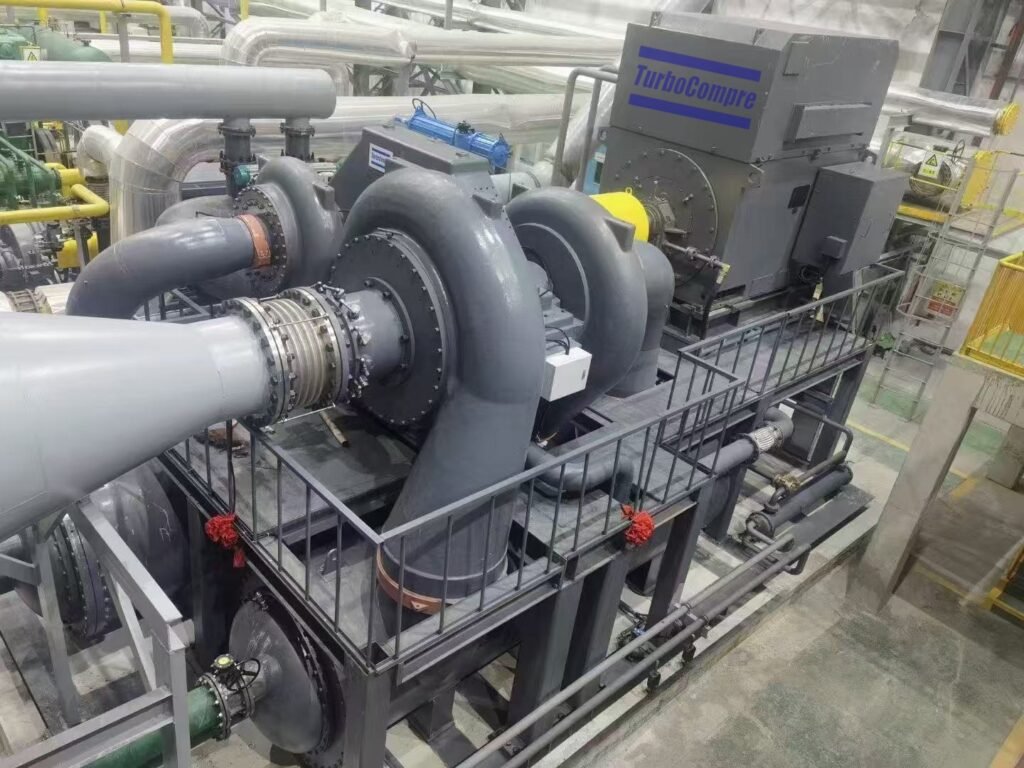
If you’re looking for a dependable partner that combines advanced engineering, competitive pricing, and responsive global service, TurboCompre is ready to help you find the right centrifugal compressor solution for your application.