
Types of Compressors: Understanding the Basics

Compressors are essential equipment in modern industries, providing compressed air and process gases for manufacturing, energy, chemical, and air separation applications.
When selecting a compressor, understanding the different types of compressors is the first step. Each compressor technology has unique advantages in terms of capacity, pressure, efficiency, and operating conditions.
The three most common industrial compressor types are:
- Centrifugal Compressors
- Screw Compressors
- Reciprocating Compressors
Choosing the right technology can significantly impact energy consumption, maintenance costs, and long-term reliability.
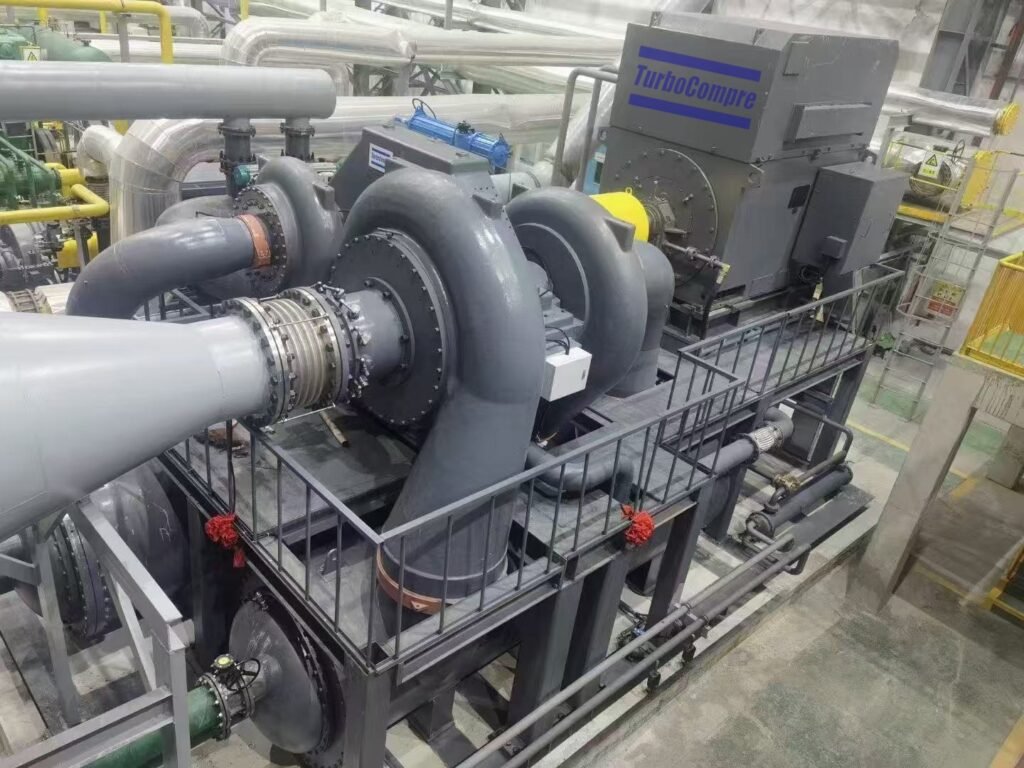
1. Centrifugal Compressors: High Efficiency for Large Flow Applications
A centrifugal compressor is a dynamic compressor that uses a rotating impeller to increase gas velocity and convert kinetic energy into pressure.
Among all types of compressors, centrifugal compressors are widely recognized for their:
Key Advantages
High flow capacity
Centrifugal compressors are designed for large-volume applications, making them ideal for industries requiring continuous gas supply.
Excellent energy efficiency
For large air demand systems, centrifugal compressors typically offer lower specific power consumption compared with positive displacement compressors.
Oil-free compression
Many centrifugal compressors provide oil-free compressed air, which is critical for industries such as:
- Air separation
- Semiconductor manufacturing
- Chemical processing
- Pharmaceutical production
- Hydrogen and clean energy projects
For more technical information about centrifugal compressor standards, visit API Standards official website.

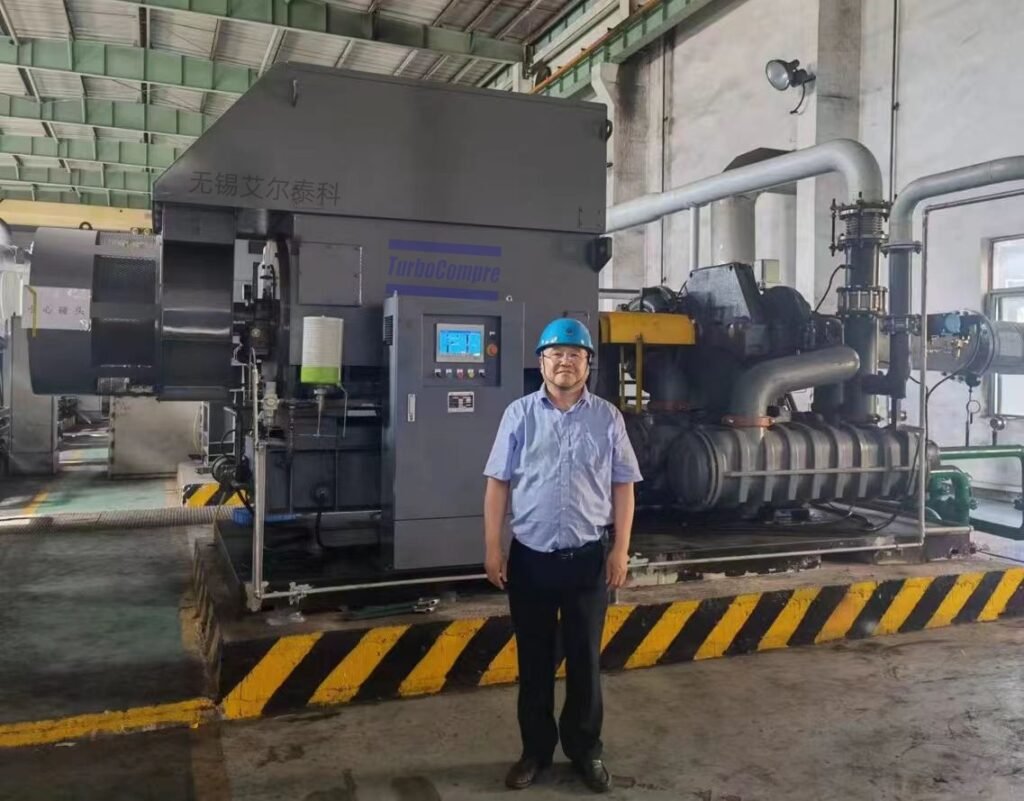
TurboCompre: Your Reliable Centrifugal Compressor Partner
As a professional centrifugal compressor manufacturer, TurboCompre focuses on providing high-performance compressor solutions for industrial applications.

Our products cover:
- Industrial air centrifugal compressors
- Nitrogen compressors
- Air separation compressors
- Process gas compressors
- Compressor spare parts and retrofit solutions
With experience in compressor design, manufacturing, and maintenance services, TurboCompre provides flexible alternatives for customers looking for reliable and cost-effective solutions compared with traditional international brands.
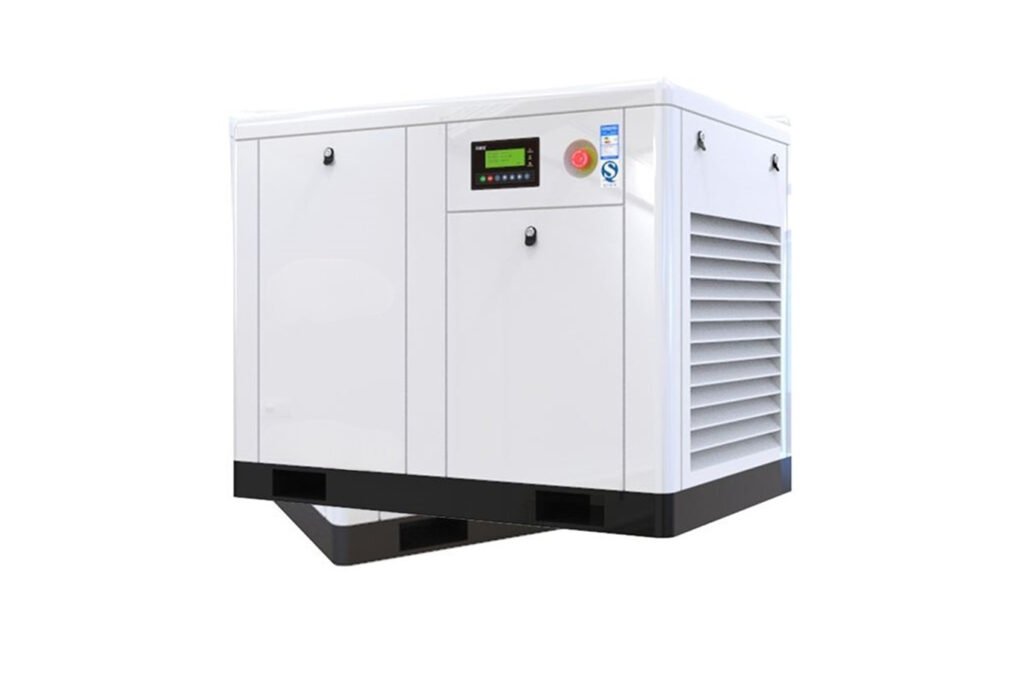
2. Screw Compressors: Flexible Solutions for Medium Air Demand
Screw compressors are positive displacement compressors that use two rotating screws to compress gas.
They are commonly used in factories, workshops, and general industrial compressed air systems.
Advantages of Screw Compressors
- Compact design
- Easy installation
- Stable operation
- Suitable for variable air demand
However, compared with centrifugal compressors, screw compressors may have higher energy consumption in large-scale continuous operation due to internal compression losses.
Typical applications include:
- Manufacturing plants
- Automotive industries
- General pneumatic systems
3. Reciprocating Compressors: High Pressure Compression
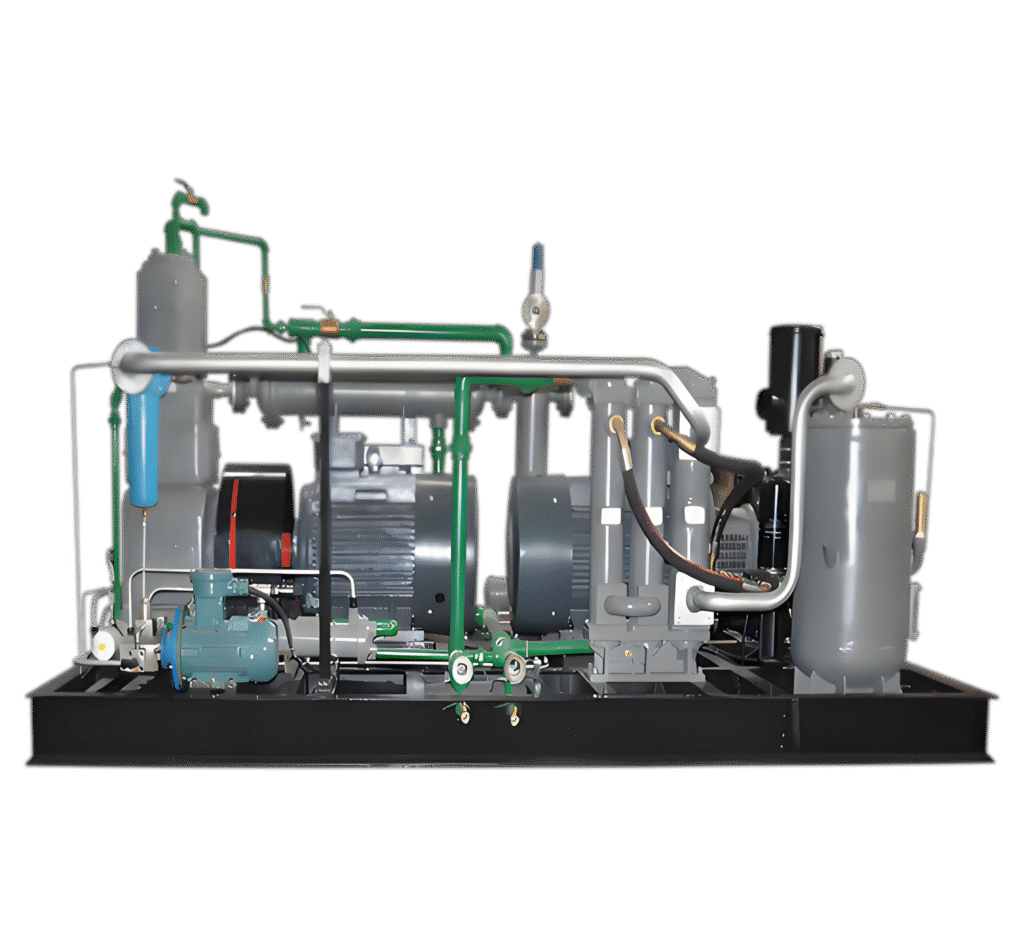
Reciprocating compressors use pistons driven by crankshafts to compress gas.
They are suitable for applications requiring high pressure and relatively low flow rates.
Main Features
- High pressure capability
- Strong compression ratio
- Suitable for intermittent operation
Common applications include:
- Natural gas compression
- Gas filling stations
- Small process systems
However, reciprocating compressors usually require more frequent maintenance due to moving components such as pistons, valves, and rings.
Comparison of Main Compressor Types
| Compressor Type | Flow Capacity | Pressure Range | Efficiency | Typical Applications |
|---|---|---|---|---|
| Centrifugal Compressor | Very High | Medium | ★★★★★ | Air separation, chemical, large factories |
| Screw Compressor | Medium | Low-Medium | ★★★★ | General industrial air |
| Reciprocating Compressor | Low | High | ★★★ | High-pressure applications |
How to Choose the Right Compressor Type?
Selecting the correct compressor depends on several factors:
1. Required Flow Rate
Large plants with continuous high air demand usually benefit from centrifugal compressors.
2. Pressure Requirements
High-pressure applications may require reciprocating or multi-stage centrifugal solutions.
3. Energy Efficiency
For long-term operation, energy consumption is often the largest cost. Efficient compressor selection can reduce lifetime operating expenses significantly.
4. Maintenance and Service
Reliable spare parts availability and technical support are essential for minimizing downtime.
Conclusion: Understanding Types of Compressors Helps You Make Better Decisions
Among different types of compressors, each technology has its own advantages.
Screw compressors are suitable for flexible industrial air applications, reciprocating compressors are ideal for high-pressure duties, while centrifugal compressors are the preferred choice for large-scale, energy-efficient operations.
For industries requiring reliable large-flow compression solutions, TurboCompre provides customized centrifugal compressor systems, retrofit services, and OEM spare parts to help customers improve efficiency and reduce operating costs.