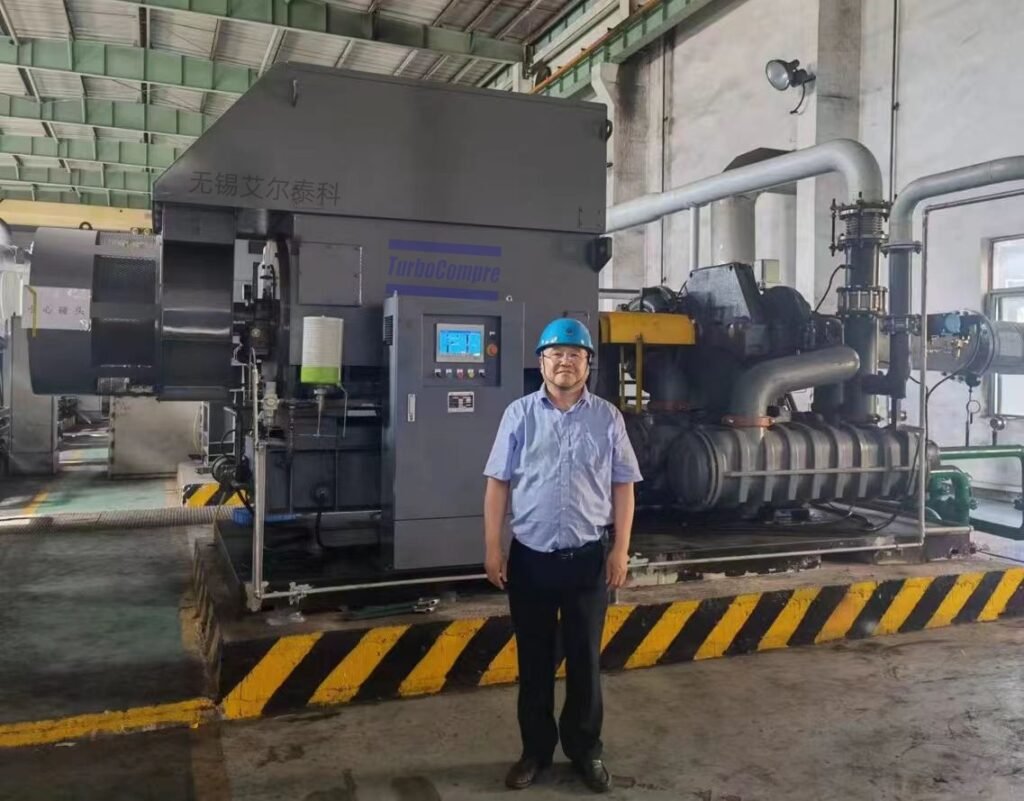
Why is the efficiency of centrifugal compressors higher than that of screw compressors
Centrifugal compressor efficiency is one of the most important factors engineers consider when selecting an industrial air compression system. Compared with rotary screw compressors, centrifugal compressors typically deliver higher energy efficiency in large-flow, continuous-duty applications.
But what makes them more efficient? This article explains the key reasons why centrifugal compressors outperform screw compressors in terms of energy consumption, aerodynamic performance, and long-term operating costs.
Centrifugal Compressor Efficiency vs Screw Compressors:Understanding the Basics
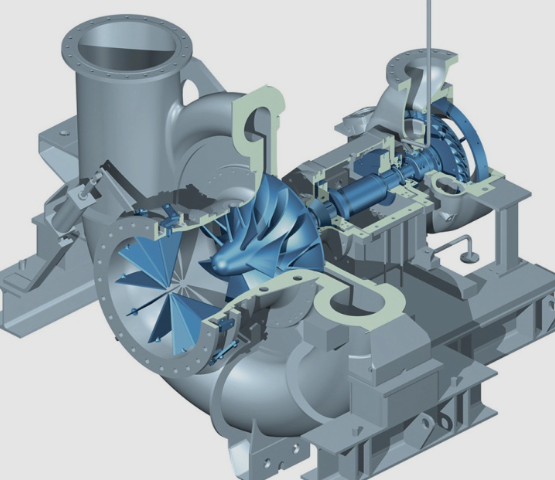
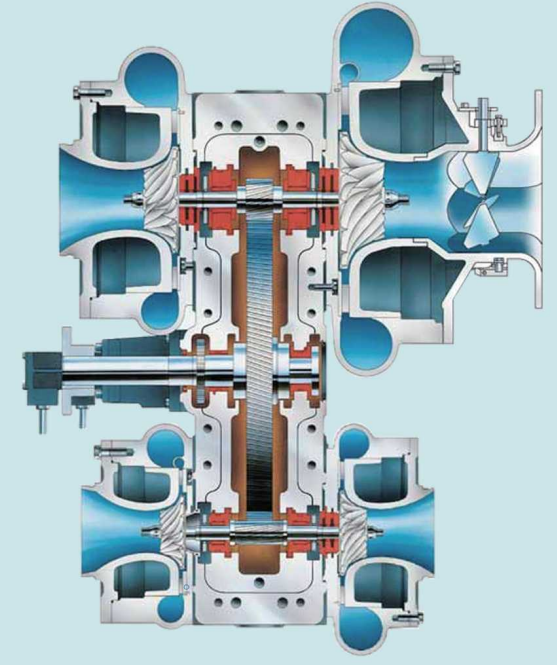
A centrifugal compressor is a dynamic compressor that increases air pressure through high-speed rotating impellers. The kinetic energy generated by theimpelleris converted into pressure energy through diffusers and volutes.
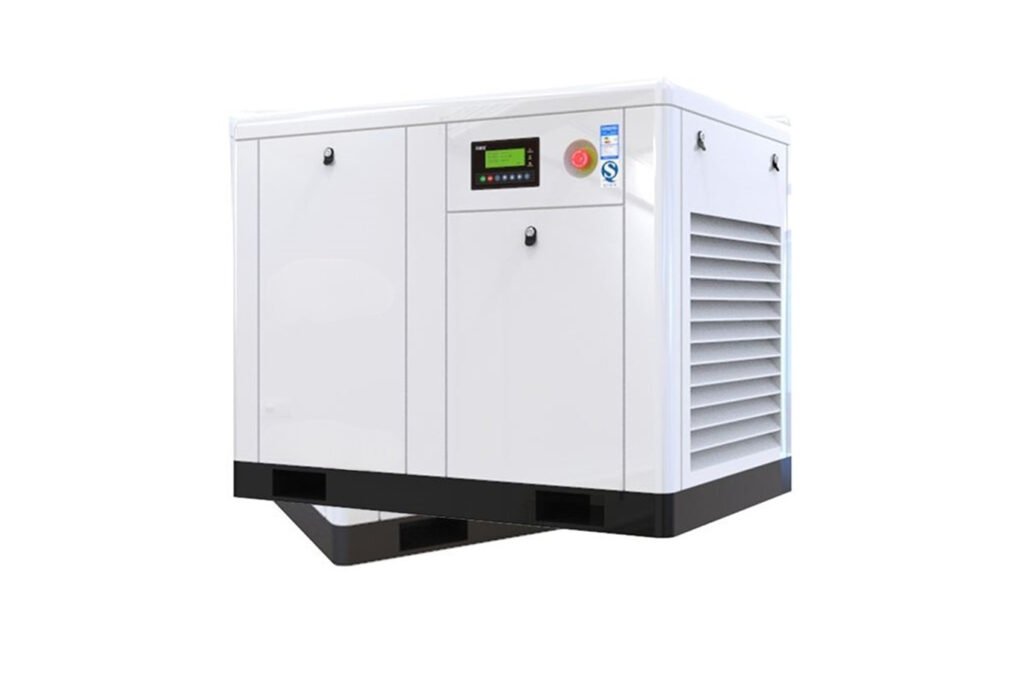
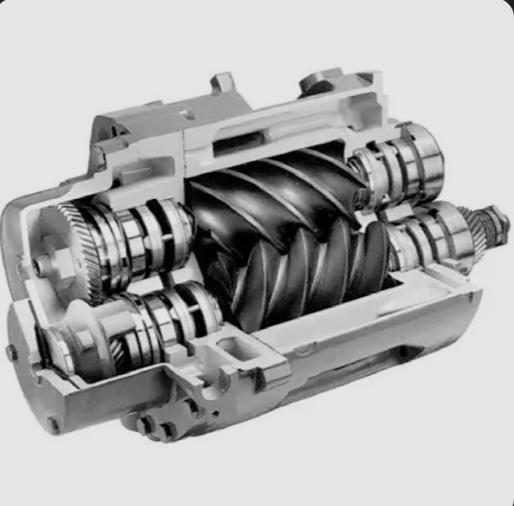
A screw compressor, also known as a rotary screw compressor, is a positive displacement compressor that compresses air by trapping it between two meshing rotors.
While both technologies are widely used in industry, their efficiency varies significantly depending on operating conditions.
centrifugal compressors
screw compressors
1. Lower Mechanical Friction Losses
One major reason centrifugal compressors achieve higher efficiency is their relatively low internal friction.
In a rotary screw compressor, two rotors continuously mesh together, generating mechanical losses through friction, bearings, and lubrication systems. These losses become more significant as compressor size increases.
By contrast, centrifugal compressors rely on high-speed impellers without direct rotor-to-rotor contact, reducing mechanical losses and improving overall energy efficiency.
2. Better Performance in High-Flow Applications
Centrifugal compressors are designed for large airflow requirements.
When operating near their design point, centrifugal compressors can achieve isentropic efficiencies of 80%–90%, while many industrial screw compressors typically operate within the 65%–80% range, depending on load conditions and design.
This makes centrifugal technology particularly attractive for:
Petrochemical plants
Air separation units
Power generation facilities
Large manufacturing plants
For facilities requiring continuous high-volume compressed air, centrifugal compressors often provide a lower specific power consumption.
3. No Internal Compression Leakage from Rotor Wear
Over time, screw compressors may experience efficiency losses due to rotor wear, seal degradation, and increased internal leakage.
Centrifugal compressors generally have fewer wear-prone compression components. Modern designs often incorporate advanced aerodynamic impellers and precision manufacturing techniques that help maintain stable performance over long operating periods.
As a result, centrifugal compressors can sustain high efficiency with relatively low performance degradation.This is another important reason why the efficiency of centrifugal compressors is higher than that of screw compressors, especially during continuous industrial operation.
allow manufacturers to minimize flow losses and maximize energy conversion efficiency.
This aerodynamic advantage is one of the primary reasons why centrifugal compressors outperform screw compressors in many large-scale industrial applications.Advanced aerodynamic optimization largely explains Why is the efficiency of centrifugal compressors higher than that of screw compressors in high-capacity applications.
5. Oil-Free Compression Improves System Efficiency
Many centrifugal compressors are designed as oil-free air compressors, eliminating pressure losses associated with oil separation systems commonly found in oil-injected screw compressors.
Oil-free operation offers several benefits:
Reduced maintenance requirements
Lower contamination risk
Improved process reliability
Higher overall system efficiency
Industries such as food processing, pharmaceuticals, and electronics manufacturing particularly benefit from these advantages.
Choose TurboCompre for High-Efficiency Centrifugal Compressor Solutions
At TurboCompre, we specialize in providing high-efficiency centrifugal compressor solutions for industrial applications, including air separation, manufacturing, petrochemical, and process industries.
With advanced aerodynamic design, precision manufacturing capabilities, and extensive experience in compressor engineering, TurboCompre develops reliable centrifugal compressors that focus on energy efficiency, stable performance, and lifecycle cost reduction.
Our solutions are designed to help customers achieve lower operating costs while maintaining excellent reliability. Whether for new compressor installations, compressor upgrades, or replacement of existing equipment from global brands, TurboCompre provides flexible engineering support and cost-effective alternatives.
Conclusion
For large industrial facilities operating continuously, centrifugal compressors often deliver lower energy consumption and reduced lifecycle costs. However, the best compressor choice ultimately depends on airflow requirements, operating conditions, and total cost of ownership.
By carefully evaluating your application, you can determine whether a centrifugal compressoror a screw compressor offers the best balance between efficiency, reliability, and investment cost.