
Shaft Power: Definition, Calculation Methods and Core Influencing Factors

Centrifugal compressors are critical power equipment for gas pressurization and transportation in petrochemical, coal chemical, air separation and gas transmission industries. The drive power of compression equipment is a vital indicator for equipment selection, energy accounting and routine maintenance, which determines equipment matching accuracy, operating energy consumption and service life.
Many operational and design issues, including improper selection, excess energy consumption and frequent overload trips, stem from insufficient understanding of shaft powershaft power principles and influencing factors. Learning how to calculate shaft powercalculate shaft power accurately ensures stable and efficient compressor operation in industrial systems.
1. What Is Centrifugal Compressor Shaft Power? Core Definition
Centrifugal compressor shaft power refers to the effective input power transmitted by prime movers (electric motors or steam turbines) to the compressor main shaft, measured in kW. It drives impeller rotation and gas compression, serving as the fundamental basis for power distribution, energy statistics and load verification.
The equipment drive power consists of two major components: effective gas power for actual process compression, andmechanical loss power caused by bearing friction, seal resistance and impeller windage. Unavoidable mechanical losses directly affect the overall operating efficiency of centrifugal compressors.
Three frequently confused power parameters must be distinguished to avoid selection and calibration errors:

- Shaft Power: Actual input power on the main shaft, core parameter for equipment performance evaluation
- Effective Power: Net gas compression power, reflecting real process working capacity
- Matched Power: Prime mover rated power with safety margin for equipment matching
2. How to Calculate Centrifugal Compressor Shaft Power? Common Calculation Methods
Accurate calculation of compressor drive output is essential for equipment selection, load inspection and energy efficiency analysis. Industrial applications adopt two mainstream calculation methods: precise theoretical calculation and simplified engineering estimation, covering high-precision design and rapid on-site verification to identify abnormal power consumption and optimize operating parameters.
2.1 Polytropic Compression Precise Calculation (Industry Standard Algorithm)
This industry-standard polytropic compression algorithm applies to precise scenarios including project design, equipment selection and energy testing, fully matching actual compression characteristics of centrifugal compressors.

Parameter description: N = compressor drive power (kW); ω = gas mass flow; Z = compressibility factor; R = gas constant; T₁ = inlet absolute temperature; P₁/P₂ = inlet/outlet absolute pressure; n = polytropic index; η = polytropic efficiency. This formula corrects deviations from gas properties and equipment conditions, delivering calculation results consistent with field operation data.
2.2 Engineering Simplified Estimation Formula (On-site Rapid Calculation)
This simplified formula suits daily on-site inspection and fast load evaluation. With fewer parameters required, it ishighly practical for conventional air and atmospheric pressure working conditions.

In this formula, Q represents gas volume flow and ΔP represents pressure difference. It allows engineers to quickly evaluate real-time load and monitor equipment operating status.
2.3 Variable Working Condition Power Conversion
Compressor drive output fluctuates with equipment speed, inlet temperature and inlet pressure. The variable-condition conversion formula efficiently calculates real-time operating data, supporting frequency conversion adjustment and load optimization for variable production scenarios.
3. Six Core Factors Affecting Centrifugal Compressor Shaft Power
Centrifugal compressor drive output is not constant. It varies with process parameters, equipment health status and gas medium properties. Mastering relevant influencing factors helps enterprises reduce energy consumption and avoid overload faults.
3.1 Gas Flow Rate and Pressure Ratio

Gas flow rate positively affects compressor drive output. Higher flow increases compression workload and raises power consumption. Meanwhile, pressure ratio dominates compression difficulty: a slight rise in pressure ratio leads to non-linear power growth, resulting in much higher energy consumption under high-pressure conditions.
3.2 Inlet Temperature and Pressure
Inlet temperature determines gas density. Higher temperature reduces density and lowers power consumption, while low temperature increases density and raises operating load. Higher inlet pressure also increases compression resistance and further lifts power demand, explaining common winter overload risks and summer low-power operation features.
3.3 Gas Medium Characteristics
Gas properties including gas constant, adiabatic index and compressibility factor significantly affect final drive output. Light gases such as hydrogen demand far higher power output than air and nitrogen under identical conditions. Impure process gas and saturated steam often cause calculation deviations and higher actual power consumption.

3.4 Compressor Operating Efficiency
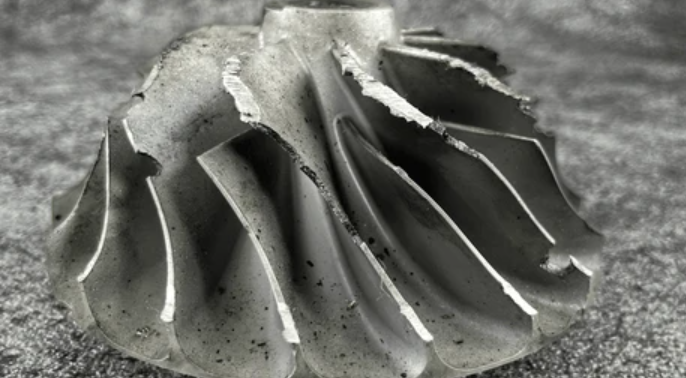
Compressor mechanical and polytropic efficiency directly determines power utilization. Well-maintained units with clean impellers and intact seals minimize mechanical loss. Long-term operation causes scaling, bearing wear and seal leakage, reducing efficiency, increasing invalid loss, and raising energy consumption under fixed process parameters.
3.5 Equipment Rotation Speed
Compressor drive output follows the cubic speed characteristic of centrifugal compressors. Minor speed adjustments trigger sharp power fluctuations. Speed rise increases flow and pressure to boost power consumption, while speed reduction cuts energy consumption effectively, making variable-frequency speed regulation the mainstream energy-saving solution.
High-pressure centrifugal compressors adopt multi-stage compression and inter-stage cooling to optimize power consumption. Efficient cooling lowers inter-stage temperature, reduces subsequent compression load and cuts overall power demand. Cooler scaling and blockage worsen heat dissipation, cause high-temperature compression, and lead to rapid power surge and energy waste.
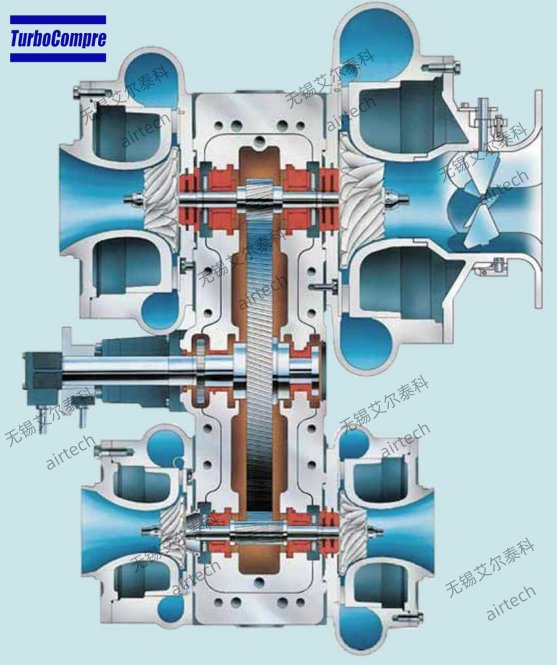
As a professional manufacturer and service provider of centrifugal compressors, TURBO COMPRE focuses on industrial compression system solutions. We deliver one-stop full-cycle services covering equipment selection, precise drive power verification, energy-saving renovation and routine maintenance for petrochemical, air separation, coal chemical and general industrial scenarios.
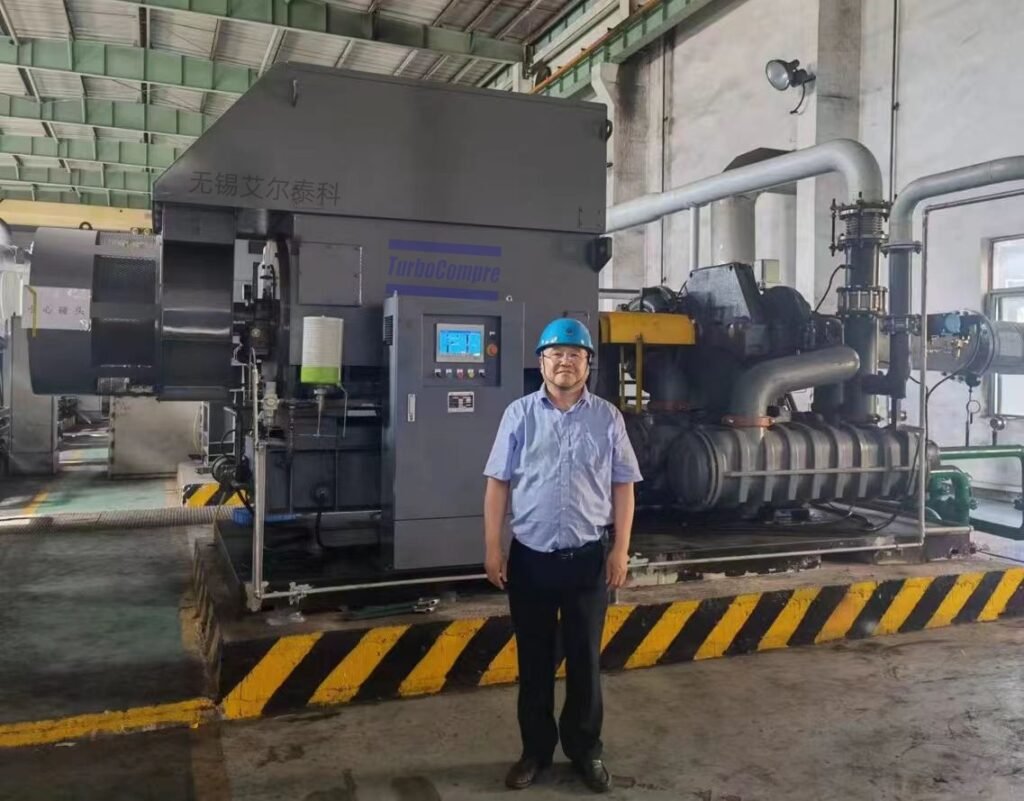
Backed by professional technical teams and rich field experience, TURBO COMPRE accurately calibrates compressor drive power for diverse gas media, variable pressures and fluctuating loads. We resolve common industrial problems including inaccurate selection, power overload, high energy consumption and unstable operation, helping clients achieve low-consumption, long-term stable compressor operation.