Industrial facilities depend on reliable centrifugal compressor partsto ensure stable operation, high efficiency, and long equipment life. Whether you’re operating compressors in air separation plants, petrochemical facilities, power generation, or manufacturing, understanding each component helps reduce maintenance costs and avoid unexpected downtime.
This guide explains the major centrifugal compressorparts, their functions, common failure modes, and best practices for maintenance and replacement.
Why Centrifugal Compressor Parts Matter
A centrifugal compressor operates at extremely high rotational speeds, often exceeding 20,000 RPM. Every component must maintain tight manufacturing tolerances and excellent balance.
High-quality compressor parts provide:
Higher energy efficiency
Lower vibration levels
Longer service intervals
Reduced operating costs
Improved reliability
Extended compressor lifespan
Poor-quality replacement parts may lead to reduced efficiency, excessive vibration, bearing failures, or catastrophic rotor damage.
Main Centrifugal Compressor Parts
1. Impeller
The impeller is the heart of every centrifugal compressor.
It rotates at high speed and converts mechanical energy into kinetic energy by accelerating air or process gas.
Functions
Increases gas velocity
Generates centrifugal force
Determines compressor efficiency
Influences pressure ratio
Common Materials
Stainless steel
Titanium alloy
Aluminum alloy
High-strength forged steel
Common Failures
Erosion
Corrosion
Foreign object damage
Fatigue cracking
Imbalance
2. Diffuser
The diffuser converts high gas velocity into static pressure.
Without an efficient diffuser, much of the impeller’s energy would be wasted.
Benefits
Pressure recovery
Improved compressor efficiency
Stable airflow
3. Volute (Compressor Casing)
The volute collects compressed air leaving the diffuser and directs it toward the discharge nozzle.
Its spiral geometry minimizes pressure loss while providing uniform gas distribution.
Functions include:
Gas collection
Pressure stabilization
Flow guidance
Structural protection
4. Rotor Shaft
The rotor shaft connects all rotating components together.
It supports:
Impellers
Balance drum
Coupling
Labyrinth seals
Bearings
A precisely machined shaft ensures stable high-speed operation with minimal vibration.
5. Bearings
Bearings support the rotating shaft and maintain rotor alignment.
Typical bearing types include:
Tilting pad journal bearings
Thrust bearings
Hydrodynamic bearings
Signs of Bearing Wear
High temperature
Increased vibration
Oil contamination
Excessive noise
6. Mechanical Seals and Labyrinth Seals
Seals prevent compressed gas from leaking while minimizing friction.
Common Seal Types
Labyrinth seals
Dry gas seals
Carbon ring seals
Mechanical seals
Proper sealing improves efficiency while reducing energy losses.
7. Intercoolers and Aftercoolers
Cooling systems remove heat generated during compression.
Benefits include:
Higher compression efficiency
Reduced discharge temperature
Improved equipment reliability
Lower moisture content
Dirty coolers can increase pressure drop and reduce compressor performance.
8. Inlet Guide Vanes (IGV)
Many modern compressors use Inlet Guide Vanes (IGVs) to regulate airflow.
The coupling transfers power from the electric motor or steam turbine to the compressor rotor.
Common designs include:
Flexible coupling
Gear coupling
Diaphragm coupling
Misalignment may cause excessive vibration and premature bearing failure.
10. Lubrication System
The lubrication system protects bearings and gears by supplying clean, cooled oil.
Typical components include:
Oil pump
Oil cooler
Oil filter
Oil tank
Pressure regulator
Routine oil analysis helps identify wear before failures occur.
Most Frequently Replaced Centrifugal Compressor Parts
Maintenance teams commonly replace the following centrifugal compressor parts:
Part
Typical Reason for Replacement
Impeller
Erosion or damage
Bearings
Normal wear
Oil seals
Leakage
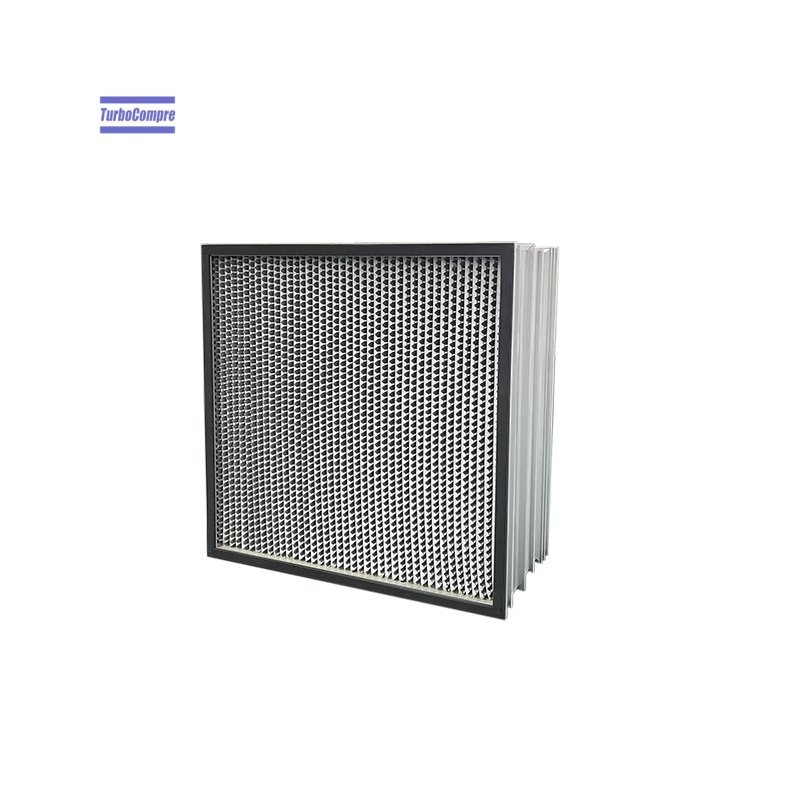
Air filter elements
Clogging
O-rings
Aging
Gaskets
Leakage
Labyrinth seals
Wear
Couplings
Misalignment damage
Cooler tubes
Fouling or corrosion
Instrument sensors
Failure
How to Extend the Life of Centrifugal Compressor Parts
Following preventive maintenance practices can significantly extend equipment life.
Recommended actions include:
Monitor vibration regularly
Analyze lubrication oil
Inspect seals periodically
Clean intercoolers
Replace air filters on schedule
Perform rotor balancing during overhauls
Monitor bearing temperatures
Inspect impellers for erosion
Predictive maintenance often reduces repair costs while preventing unexpected shutdowns.
OEM vs Aftermarket Centrifugal Compressor Parts
Many operators compare OEM parts with high-quality aftermarket alternatives.
Feature
OEM Parts
Quality Aftermarket Parts
Price
Higher
Lower
Availability
Longer lead time
Faster delivery
Customization
Limited
Flexible
Performance
Excellent
Comparable when precision manufactured
Cost Effectiveness
Moderate
High
For critical rotating components such as impellers and shafts, manufacturing accuracy, material selection, and dynamic balancing are more important than branding alone.
Applications That Require Reliable Compressor Parts
High-quality centrifugal compressor parts are widely used in:
Air separation plants
Petrochemical facilities
Chemical processing
Oil & gas
Steel manufacturing
Semiconductor production
Fertilizer plants
Pharmaceutical manufacturing
LNG projects
Power generation
Choosing a Reliable Centrifugal Compressor Parts Supplier
When selecting a supplier, consider:
ISO-certified manufacturing
Precision CNC machining
Dynamic balancing capability
Reverse engineering expertise
Material traceability
Quality inspection reports
Fast delivery
Technical support
Experience with multiple compressor brands
A dependable supplier can help reduce maintenance costs while ensuring long-term compressor reliability.
Frequently Asked Questions
What are the most important centrifugal compressor parts?
The impeller, diffuser, shaft, bearings, seals, casing, lubrication system, and inlet guide vanes are among the most critical components affecting compressor performance.
How often should centrifugal compressor parts be replaced?
Replacement intervals depend on operating conditions, gas quality, and maintenance practices. Consumable items such as filters and seals are replaced more frequently, while major rotating components are typically inspected during scheduled overhauls.
Can aftermarket centrifugal compressor parts match OEM quality?
Yes. When manufactured with advanced CNC machining, appropriate materials, precision balancing, and strict quality control, high-quality aftermarket parts can deliver performance comparable to OEM components.
Which compressor brands can replacement parts be manufactured for?
Many specialized manufacturers supply replacement parts compatible with leading brands such as Atlas Copco, Ingersoll Rand, Hanwha, IHI, Elliott, Kobelco, and other major centrifugal compressor manufacturers.
Conclusion
Understanding centrifugal compressor parts is essential for maximizing compressor performance, minimizing downtime, and controlling maintenance costs. From impellers and diffusers to bearings, seals, and lubrication systems, every component plays a vital role in reliable compressor operation.
Whether you’re planning a major overhaul or sourcing replacement components, investing in precision-engineered parts and preventive maintenance will help ensure long-term efficiency and dependable performance.