How to Improve Centrifugal Compressor Efficiency?
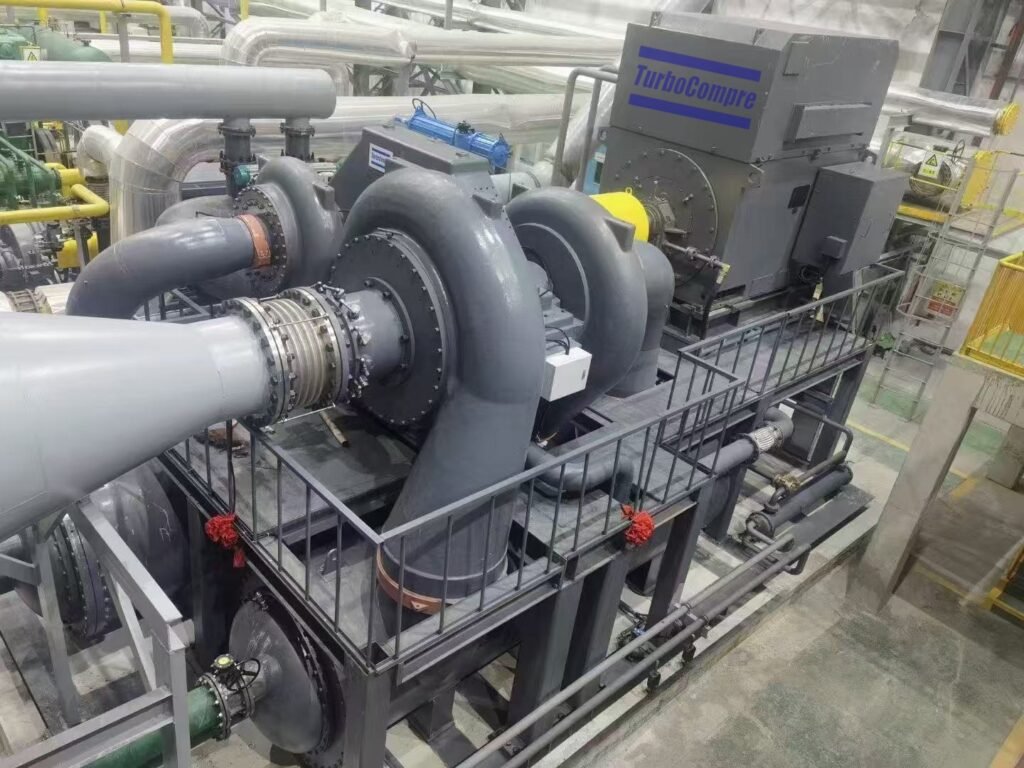
Centrifugal compressors are widely used in industries such as air separation, petrochemical, power generation, hydrogen, and manufacturing due to their high capacity, stable operation, and oil-free compressed air output.
However, energy consumption remains one of the biggest operating costs. Improving centrifugal compressor efficiency not only reduces electricity consumption but also extends equipment life and improves overall plant reliability.
So, how to improve centrifugal compressor efficiency?
The answer lies in optimizing compressor design, operation, maintenance, and control strategies.
1. Optimize Compressor Operating Conditions
A centrifugal compressor achieves the highest efficiency when operating close to its Best Efficiency Point (BEP).
Operating conditions that affect efficiency include:
- Inlet pressure
- Inlet temperature
- Flow rate
- Discharge pressure
- Cooling conditions
When a compressor operates far away from its design point, efficiency decreases due to increased aerodynamic losses and unstable operation.
Regularly monitoring the compressor performance curve helps operators maintain optimal working conditions.
2. Improve Impeller Aerodynamic Design
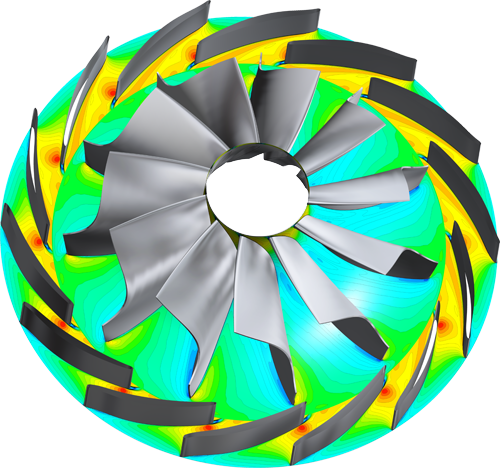
The impeller is the heart of a centrifugal compressor.
Advanced impeller designs can significantly improve efficiency by reducing:
- Flow turbulence
- Pressure losses
- Secondary flow effects
- Aerodynamic friction
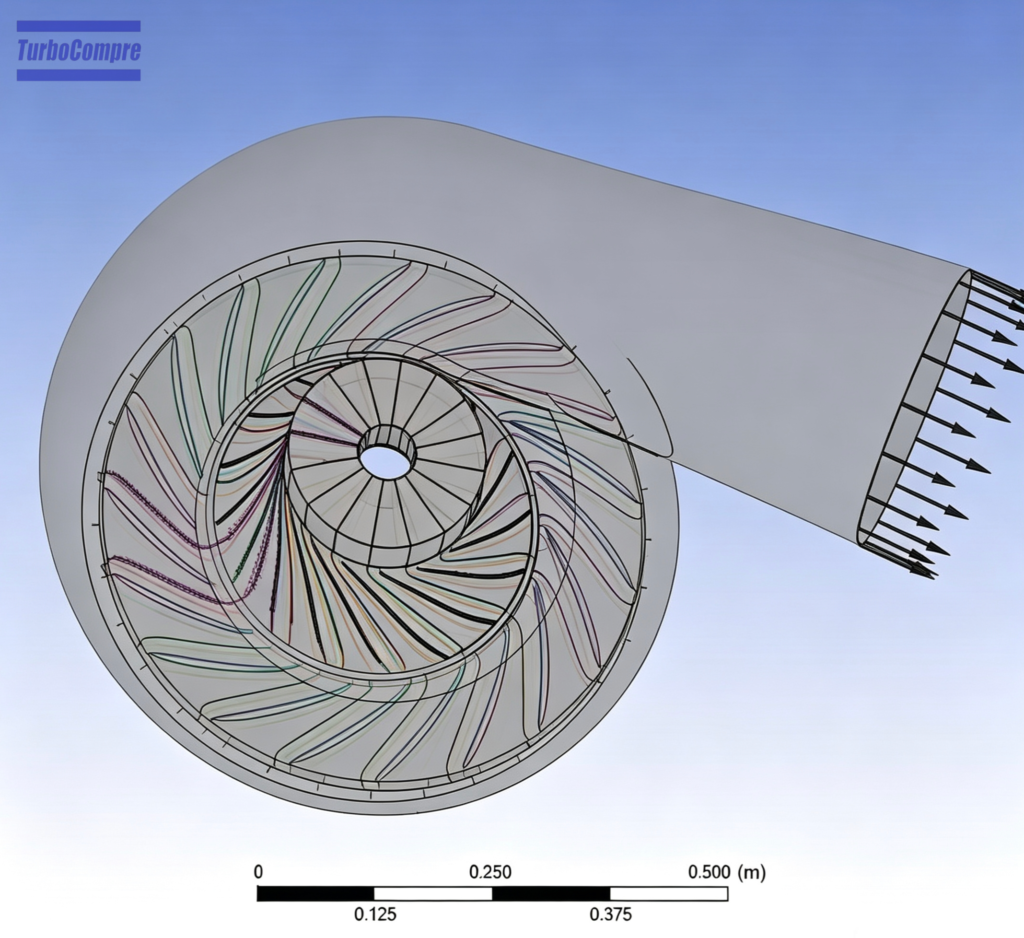
Modern centrifugal compressor manufacturers use advanced CFD simulation and 3D impeller optimization technology to achieve higher efficiency.
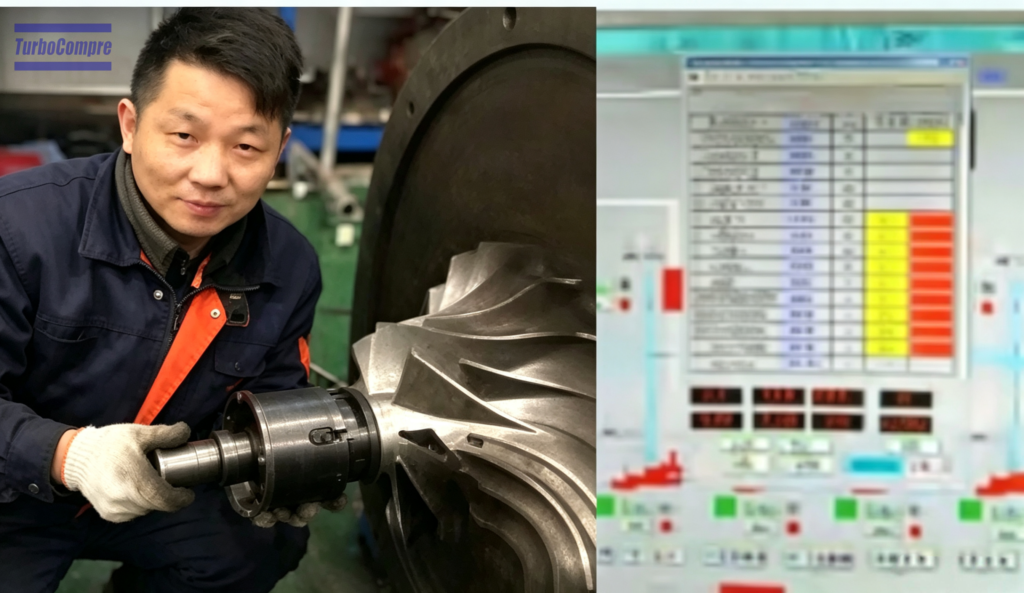
For example, TurboCompre applies professional aerodynamic design methods and advanced manufacturing processes to develop high-performance centrifugal compressor impellers with excellent efficiency and reliability.
Key technologies include:
✓ 3D optimized impeller design
✓ High-precision machining
✓ Dynamic balancing
✓ Performance testing
3. Maintain Clean Air Intake Systems
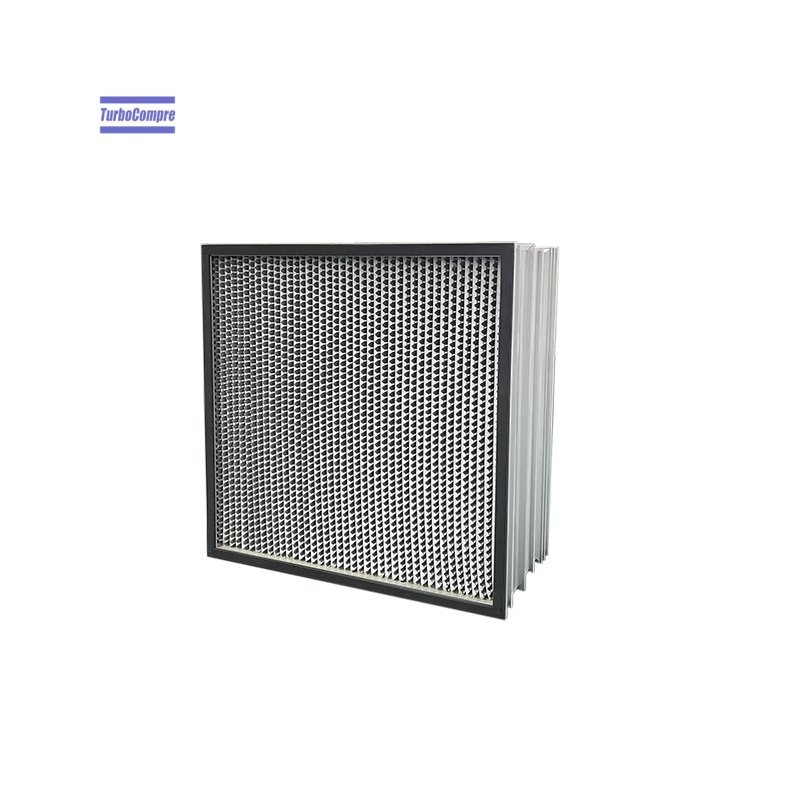
Dirty filters and restricted inlet systems are common causes of efficiency loss.
A blocked air filter increases inlet pressure drop, forcing the compressor to consume more power to achieve the same output.
Recommended practices:
- Replace air filters regularly
- Keep inlet pipelines clean
- Monitor pressure drop across filters
- Prevent dust and contaminants entering the compressor
For large industrial centrifugal compressors, proper filtration maintenance can significantly reduce unnecessary energy consumption.
4. Reduce Pressure Losses in the System
Compressor efficiency is not only determined by the compressor itself.
The entire compressed air system affects energy performance.
Common sources of pressure loss include:
- Undersized pipelines
- Poor valve selection
- Excessive bends
- Leakage points
Reducing system pressure losses allows compressors to operate at lower discharge pressure, saving energy.
A 1 bar reduction in operating pressure can often provide meaningful energy savings in industrial compressed air systems.
Reference:
Compressed Air Challenge
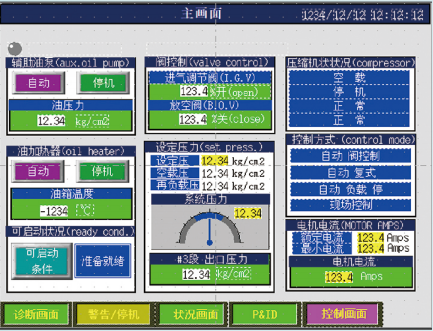
5. Use Advanced Compressor Control Systems
Traditional fixed-speed operation often causes energy waste during variable demand conditions.
Modern centrifugal compressors improve efficiency through:
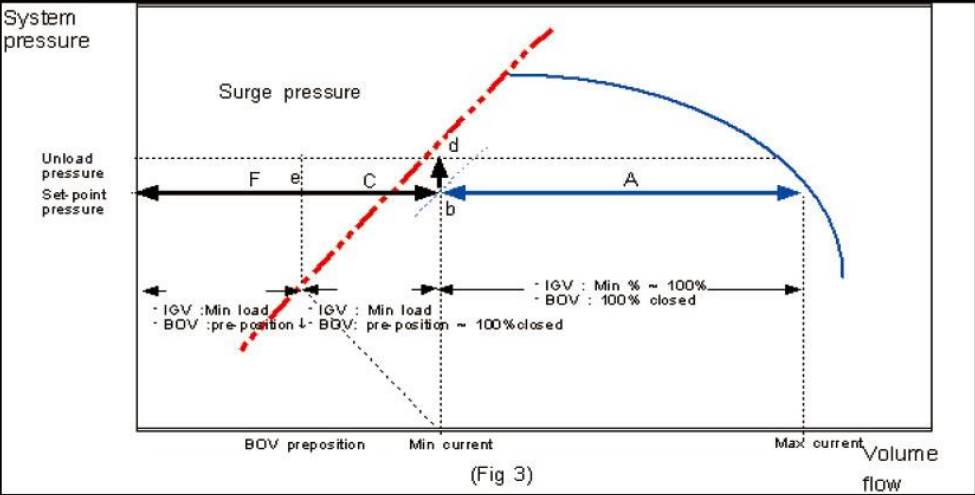
- Variable inlet guide vanes (IGV)
- Anti-surge control systems
- Intelligent PLC control
- Real-time performance monitoring
These technologies allow compressors to automatically adjust operating parameters according to air demand.
Advanced control systems help prevent:
- Surge conditions
- Unnecessary unloading
- Excessive power consumption
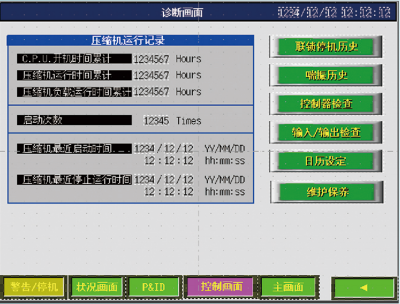
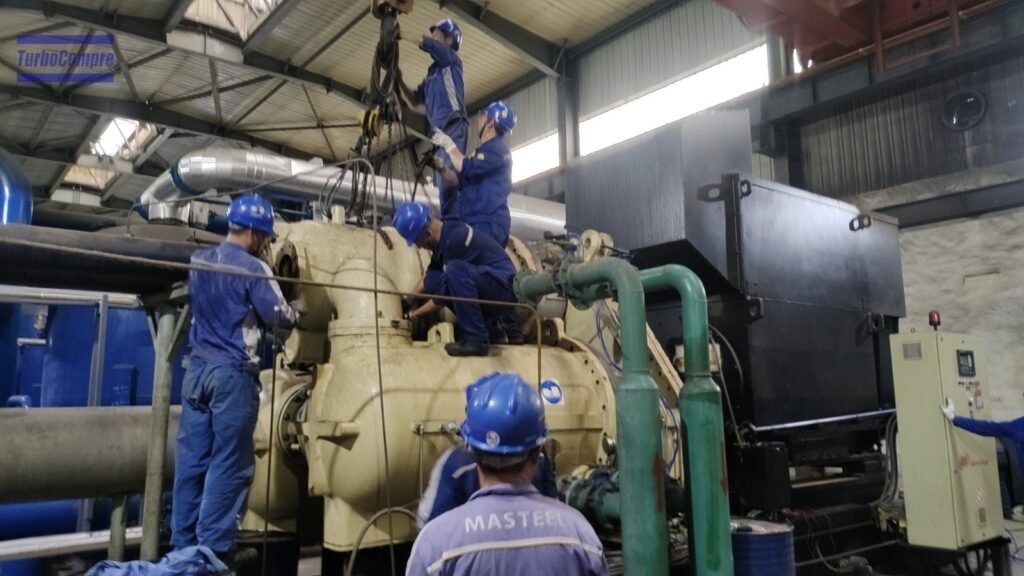
6. Perform Regular Maintenance and Performance Testing
A well-maintained centrifugal compressor can maintain high efficiency throughout its service life.
Important maintenance items include:
Bearings
Worn bearings increase mechanical losses and vibration.
Cooler Systems
Poor cooling performance increases inlet temperature and reduces compressor efficiency.
Sealing Systems
Damaged seals may cause internal leakage and reduce compression performance.
Impellers
Deposits or erosion on impeller surfaces can reduce aerodynamic efficiency.
Regular inspection and performance testing according to industry standards such as API 617 can ensure reliable compressor operation.
Reference:
American Petroleum Institute Standards
7. Upgrade Old Centrifugal Compressors
Many industrial plants operate centrifugal compressors that have been running for 10–20 years.
Instead of replacing the entire system, efficiency improvements can often be achieved through:
- Impeller redesign
- Cooler upgrades
- Control system modernization
- Aerodynamic optimization
- Replacement of critical spare parts
TurboCompre provides professional centrifugal compressor upgrade solutions and OEM-compatible spare parts, helping customers improve efficiency while reducing investment costs.
Our solutions include:
- Centrifugal compressor impellers
- Compressor bearings
- Compressor coolers
- Seals and other critical components
With strong manufacturing capability and engineering experience, TurboCompre supports customers worldwide with cost-effective alternatives to major international compressor brands.
Why Choose TurboCompre for High-Efficiency Centrifugal Compressor Solutions?
TurboCompre specializes in:
✓ High-efficiency centrifugal compressors
✓ OEM-quality compressor spare parts
✓ Compressor retrofit and upgrade services
✓ Customized industrial compressor solutions
Compared with traditional international brands, TurboCompre focuses on delivering:
Competitive cost + Reliable performance + Fast technical support
Our goal is to help global customers achieve lower energy consumption and higher operational efficiency.
By choosing advanced centrifugal compressor technology and professional engineering support, companies can achieve more reliable and sustainable compressed air systems.