
Centrifugal Compressors in Industrial Gas Processing: Applications and Reliability
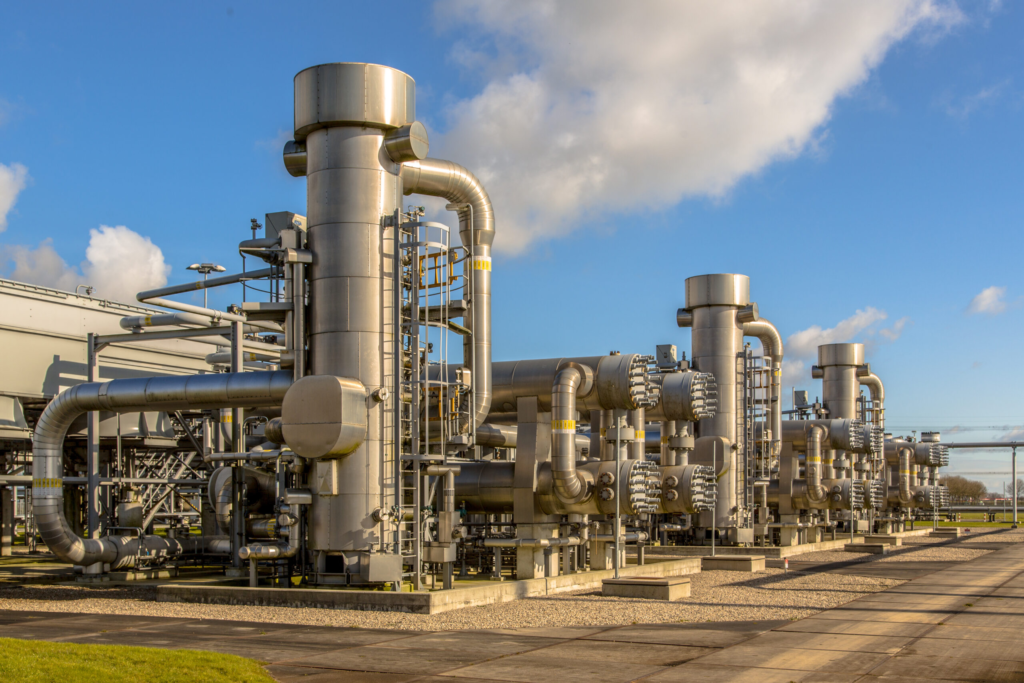
Centrifugal compressors in industrial gas processing play a critical role in maintaining process pressure, handling large gas volumes, and supporting continuous industrial production. They are widely used in natural gas treatment, petrochemical manufacturing, chemical processing, and other applications requiring reliable gas compression.
Unlike positive-displacement compressors, centrifugal compressors use high-speed impellers to increase gas velocity and convert kinetic energy into pressure. Their high flow capacity and suitability for multistage compression make them an effective choice for many large-scale industrial processes.
Choosing the right compressor helps improve operational stability, optimize energy consumption, and reduce the risk of unplanned downtime.
1. Key Applications of Centrifugal Compressors
Centrifugal compressors serve a variety of industrial gas processing applications:
Natural gas processing: Gas boosting, treatment, dehydration, and pipeline transportation.
Petrochemical production: Compression of hydrocarbon process gases in ethylene, propylene, and related production units.
Hydrogen processing: Hydrogen circulation, recovery, and compression in applications with suitable compressor and sealing designs.
Chemical manufacturing: Gas compression for synthesis, chemical reactions, and process gas recovery.
LNG production: Gas treatment, circulation, and selected liquefaction-related duties, depending on process requirements.
Carbon capture and utilization: CO₂ compression for transportation, utilization, and storage, subject to gas composition, pressure, and material requirements.

Each application presents different challenges involving gas composition, pressure ratio, temperature, and operating conditions. Compressor selection must therefore be based on the actual process requirements.
For further information, visit the U.S. Environmental Protection Agency’s natural gas compressor resources.
2. How to Select the Right Process Gas Compressor
Selecting a centrifugal compressor requires more than matching the required flow rate and discharge pressure. Engineers must evaluate the gas properties and operating conditions together.
Gas composition: Molecular weight, compressibility, moisture, and corrosive components influence aerodynamic performance, material selection, and sealing arrangements.
Flow rate and pressure ratio: Normal, minimum, and maximum operating conditions should be considered when determining compressor capacity, stage configuration, and operating margins.
Operating temperature: Inlet temperature, compression heat, and intercooling requirements affect power consumption and equipment design.
Operating range: Fluctuating process demand may cause the compressor to operate away from its best-efficiency point. Proper control strategies and surge protection are essential for stable operation.
Safety and compliance: Flammable, toxic, or corrosive gases may require specialized materials, sealing systems, instrumentation, and hazardous-area electrical equipment.

For applicable petroleum and natural gas projects, API provides industry standards, including API 617 for relevant axial and centrifugal compressors and expander-compressors. The applicable edition and project specifications should be confirmed during engineering.
3. Improving Energy Efficiency and Operational Reliability
Energy consumption is a major consideration in industrial gas processing. Even a small decline in compressor efficiency can increase operating costs significantly over thousands of operating hours.
Several factors deserve particular attention:
Impellers and diffusers: Deposits, erosion, corrosion, and dimensional changes can reduce aerodynamic efficiency.
Coolers: Fouling and reduced heat-transfer performance can increase gas temperatures and compression power.
Gearboxes and bearings: Wear, misalignment, lubrication problems, and changes in critical clearances can affect vibration and reliability.
Sealing systems: Seal deterioration may cause gas leakage, efficiency losses, or safety risks, depending on the gas and operating conditions.
Control systems: Incorrect operating parameters can reduce efficiency and increase the risk of surge.
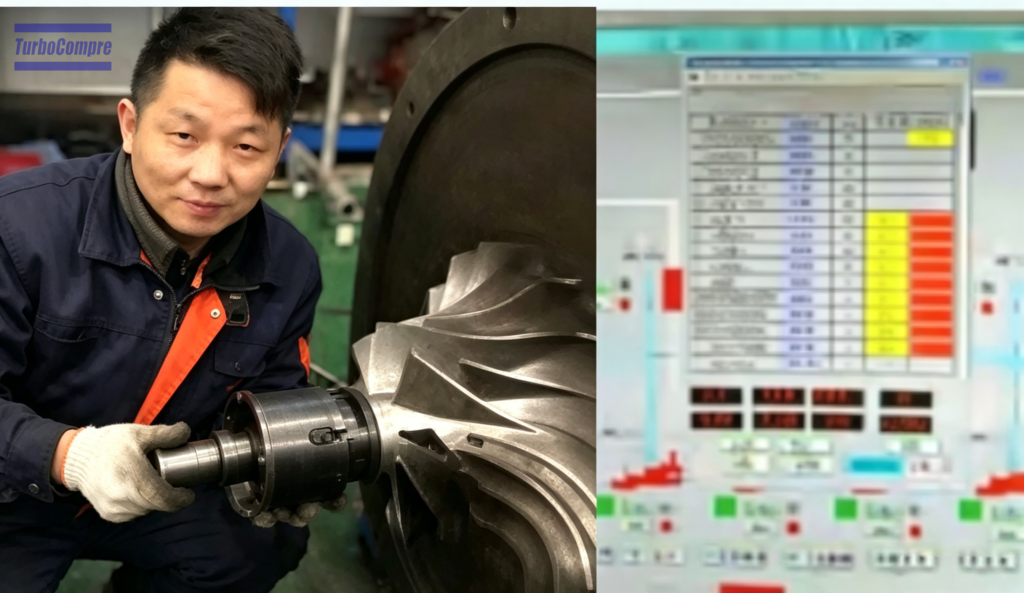
Regular inspections, vibration monitoring, temperature tracking, and performance analysis help identify deterioration before it leads to major failures. Maintenance schedules should reflect equipment condition, manufacturer recommendations, and actual operating severity.
4. Why Spare Parts Quality and Repair Expertise Matter
When a process gas compressor fails, the consequences may include production losses, process interruptions, and costly emergency maintenance. Reliable spare parts and technically sound repair practices are essential to maintaining equipment availability.
Critical components such as impellers, gear shafts, gears, bearings, seals, and coolers must meet the applicable material, dimensional, and performance requirements. Precision machining, rotor balancing, and verification of critical clearances are particularly important for high-speed rotating equipment.
Replacing a damaged component without identifying the underlying cause may result in repeated failures. A proper repair should assess relevant components and systems, including the rotor, bearings, lubrication, cooling performance, assembly clearances, and operating conditions.
For aging compressors, engineered replacement parts and professional overhaul services can provide a practical alternative to complete equipment replacement. Compatibility should be verified against original design data and the actual machine configuration rather than judged by external dimensions alone.
5. Turbocompre: Centrifugal Compressor Manufacturing and Aftermarket Support
Turbocompre, associated with Wuxi Airtech Compressor Co., Ltd., provides centrifugal compressor manufacturing, core spare parts, repair, overhaul, and equipment upgrade services.
We focus on practical engineering solutions that help industrial customers maintain reliable operation while controlling procurement and maintenance costs.
Our capabilities include:
Centrifugal compressor manufacturing: Solutions for industrial air and selected process gas applications, subject to specific project requirements.
Core spare parts: Impellers, shafts, gears, bearings, coolers, seals, and other critical components for applicable compressor models.
Replacement parts and localization: Manufacturing based on original design drawings where available, with engineering verification of compatibility and critical dimensions.
Repair and overhaul: Inspection, component replacement, precision restoration, and support for aging compressor equipment.
Energy-saving upgrades: Targeted improvements to selected components and systems to help enhance efficiency and operational stability.

By combining manufacturing experience with aftermarket support, Turbocompre aims to offer reliable, cost-effective alternatives that meet the technical requirements of industrial applications.
Whether you are planning a new gas processing project, sourcing critical spare parts, replacing an aging compressor, or evaluating an overhaul, choosing the right engineering partner can improve equipment reliability and lifecycle cost management.
Contact Turbocompre to discuss your requirements.