
Centrifugal Compressor Rotor Assembly Water Intrusion: Causes & Troubleshooting
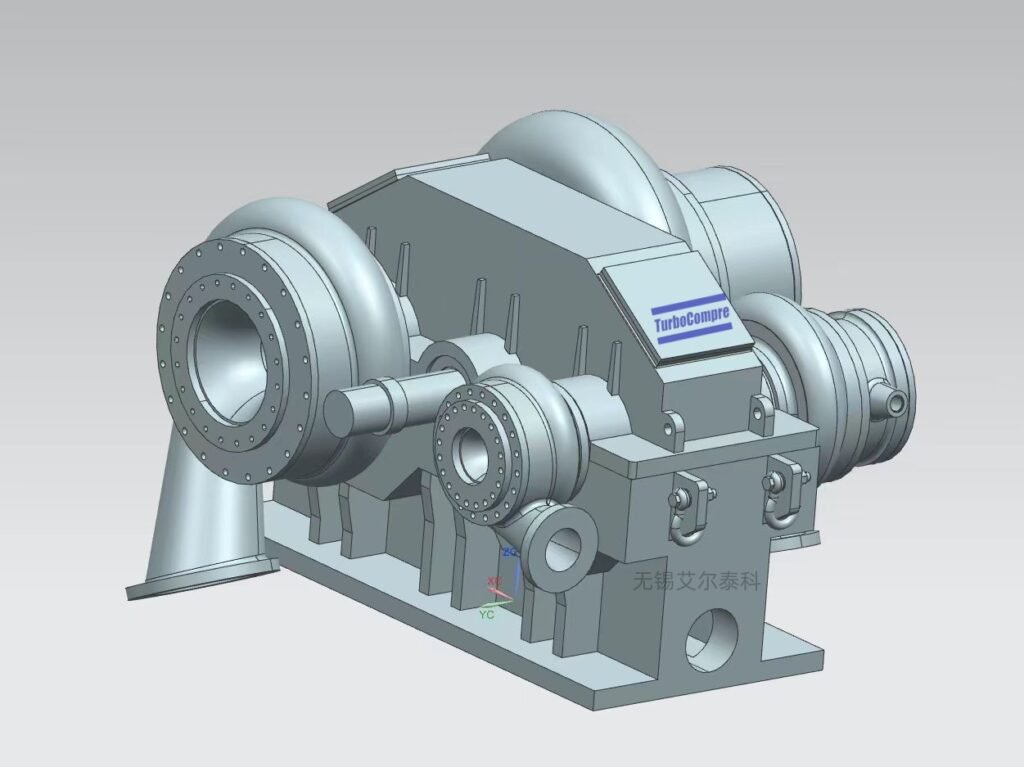
In industrial compressed air systems, the core compression unit of a centrifugal compressor plays a decisive role in stable production. Water contamination inside core components is one of the most common and destructive hidden faults in industrial operation. Without correct and timely handling, this issue may lead to rotor rusting, bearing burnout, impeller damage, oil emulsification and mechanical seizing, resulting in unexpected machine shutdown and economic losses.
With years of practical experience in industrial compressor maintenance, Turbo Compre provides a complete troubleshooting and prevention guide to help factory maintenance teams resolve faults safely and avoid recurring failures.
1. Main Causes of Water Intrusion Into Rotor Assembly
Most water‑ingress failures are triggered by four common root causes.
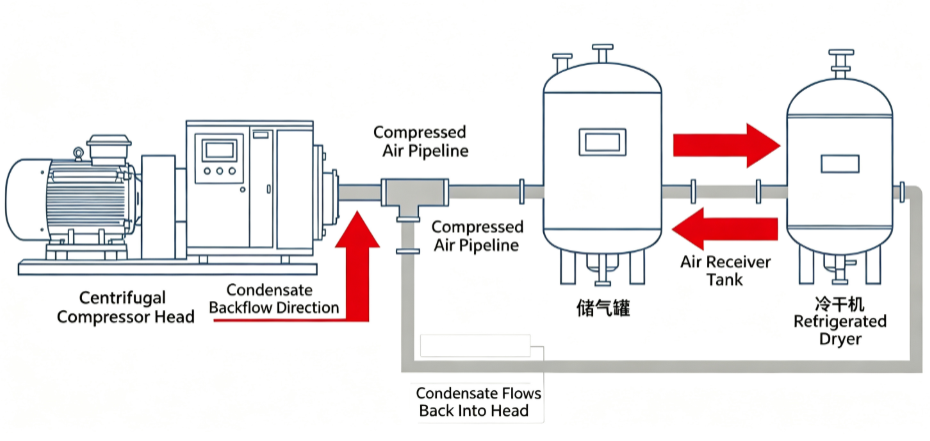
1.1 Condensate back‑flow from downstream equipment (No.1 cause)
After equipment shutdown, residual pressure inside air pipelines pushes accumulated condensate from air tanks, dryers and filters backward into the compression unit. This issue usually occurs when automatic drain valves fail to release water properly, causing accumulated liquid to flow back to the core components.
1.2 Cooling‑system leakage

Damaged cooler cores, aged gaskets or cracked cooling‑water pipes may lead to cooling‑water leakage into the compression chamber. Excessive cooling‑water pressure and blocked water circuits will further raise the risk of water intrusion. Turbo Compre offers leakage inspection and high‑quality replacement gaskets & cooler components to eliminate hidden water‑leak risks.
1.3 High Humidity Intake Environment
Compressors installed in humid, poorly ventilated workshops or low-lying areas easily absorb moist ambient air. During continuous compression, moisture gradually condenses and accumulates inside the machine, affecting internal precision parts over time.
1.4 Non-Standard Operation and Daily Maintenance
Improper shutdown procedures, long-term no-load operation and frequent unit start-stop can form negative pressure inside pipelines and suck external moisture back into the equipment. Irregular filter replacement and neglected daily drainage will also accelerate equipment failure. Turbo Compre provides standardized operation guidance to help enterprises optimize daily management.
2. Standard Step-by-Step Troubleshooting Process
⚠️ Critical Warning: DO NOT restart the machine immediately after discovering internal water contamination. Running damp precision components will cause permanent scratches and expand equipment damage.
1: Emergency Shutdown and Source Isolation
Press the emergency stop button, cut off the main power supply and close all water and air inlet valves. Isolate rear-end air storage and drying equipment to prevent residual condensate from flowing back again.
2: Complete Residual Liquid Drainage
Slowly open all drainage ports of pipelines and cooling systems for gradual pressure relief. Disconnect pipeline joints if necessary to clean hidden accumulated water, ensuring no liquid remains inside any cavity.
3: Replace Emulsified Oil and Clean Oil Circuit
Once moisture enters the compression unit, lubricating oil will completely emulsify and lose lubrication performance. Drain all contaminated oil thoroughly and do not reuse filtered old oil. Use professional flushing oil to clean the oil circuit and bearing system, then replace with brand-new standard lubricant. Turbo Compre’s professional team provides one-stop oil circuit cleaning and oil replacement services for all brands of industrial compressors.
4: Dry Internal Components and Conduct Inspection
Open maintenance access covers and use dry, clean compressed air to blow moisture off impellers, shafts, bearings and sealing parts. Carefully clean gaps and blind areas. For slightly rusted parts, apply professional cleaning agents to restore surface precision and dryness. Turbo Compre adopts refined overhaul technology to ensure dynamic balance and stable operation after maintenance.
5: Troubleshoot and Repair Fault Sources
Inspect coolers, sealing parts, drain valves and filter elements. Replace all aging, cracked or failed accessories, repair leaking pipelines and abnormal pressure relief points to completely eliminate hidden troubles. Turbo Compre supplies cost-effective universal replacement parts for various industrial compressor models.
6: No-Load Test Run and Acceptance
Close all drainage ports and maintenance covers, double-check air, water and oil circuit connections. Keep the machine running under no-load condition for at least 30 minutes, monitor vibration, temperature and pressure data in real time. Confirm no abnormal noise, no leakage and no oil emulsification before restoring formal production operation.
Internal water contamination of centrifugal compressor core units is completely preventable through standardized daily management. Once a failure occurs, follow the correct processing logic: isolate the fault source, clean residual liquid, replace lubricant, dry components, repair leakage points and verify through test operation.

As a professional industrial compressor service provider, Turbo Compre focuses on emergency fault repair, core component overhaul, accessory replacement and long-term customized maintenance solutions. Our experienced engineers quickly locate problems and provide standardized repair services to avoid repeated failures, helping enterprises reduce maintenance costs and ensure stable and continuous air supply for production lines.