
How Gas Properties Affect Process Compressor Selection

Choosing a process gas compressor based only on flow and pressure can lead to poor performance, excessive energy consumption, or unstable operation. In chemical plants, refineries, gas processing facilities, and air separation plants, gas properties directly influence compressor sizing, impeller design, power consumption, sealing, materials, and operating reliability. Understanding these properties is therefore one of the first steps in selecting the right process compressor.
1. Gas Composition Determines the Compressor Design
The first parameter to define is the actual gas composition. Process compressors may handle hydrogen, nitrogen, oxygen, natural gas, CO₂, syngas, hydrocarbons, or mixed gases.
Gas composition determines important properties such as:
- Molecular weight
- Specific heat ratio
- Compressibility factor
- Gas density
- Corrosiveness and toxicity
- Moisture and impurities
Even small changes in gas composition can change compressor performance. Industry compressor selection guidelines therefore require gas composition and physical properties to be considered together with suction and discharge conditions.

2. Molecular Weight Affects Head and Stage Selection
Molecular weight is particularly important for centrifugal process compressors. A lighter gas generally has lower density and behaves differently from a heavier gas under the same pressure and temperature conditions.
Changes in molecular weight can affect:
- Polytropic head
- Pressure ratio
- Number of stages
- Impeller loading
- Compressor efficiency
- Driver power
For this reason, hydrogen, natural gas, and heavier hydrocarbon gases cannot simply use the same compressor design. Studies of centrifugal compressors show that molecular weight can significantly influence the required head and number of impellers.
3. Compressibility and Specific Heat Matter
The compressibility factor (Z) describes how a real gas differs from ideal-gas behavior. The specific heat ratio (k) also affects compression work, discharge temperature, and required compressor head.
These properties become particularly important at high pressures or when gas composition changes significantly during operation.
A proper process compressor calculation should therefore use actual gas properties rather than assuming air-like behavior. For centrifugal and axial process compressors used in petroleum, chemical, and gas industries, API 617 provides an important industry reference for applicable compressor designs.
4. Temperature, Pressure and Flow Change the Operating Point
Gas properties cannot be separated from operating conditions. Suction pressure, suction temperature, discharge pressure, flow rate, and compression ratio all affect gas density and compressor performance.
For example, higher suction temperature can reduce gas density and change the compressor’s operating point. Variable gas flow can also move the compressor closer to surge or choke conditions.
For this reason, the compressor specification should normally include normal, minimum, and maximum operating conditions, rather than only one design point.
Turbocompre’s centrifugal process gas compressor solutions can be engineered according to specific gas composition, flow, pressure, and temperature requirements, helping customers match compressor performance to the actual process envelope.

5. Corrosion, Contaminants and Gas Compatibility Matter
Gas properties also determine material and sealing requirements. CO₂, H₂S, moisture, hydrocarbons, corrosive compounds, or solid particles can create corrosion, erosion, fouling, condensation, or sealing problems.
The compressor may therefore require:
- Corrosion-resistant materials
- Appropriate shaft and impeller materials
- Special sealing systems
- Gas conditioning or filtration
- Proper cooling and lubrication
- Liquid separation before compression
Turbocompre’s TCS process gas compressor platform can be configured with application-specific materials and sealing solutions. Depending on the gas and operating conditions, corrosion-resistant materials such as 17-4PH, 15-5PH stainless steel, or titanium alloys can be considered, while floating carbon ring seals and sealing gas systems can help control gas leakage.

6. Match Gas Properties With the Right Compressor Technology
The final selection should connect gas properties with the compressor’s aerodynamic and mechanical design.
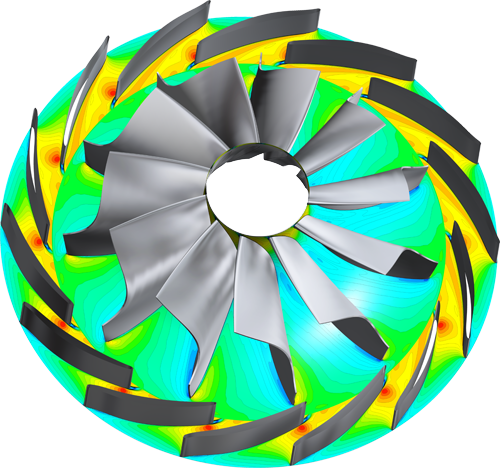
For large-flow, continuous-duty applications, a centrifugal process compressor can provide an efficient solution. Turbocompre’s TCS series uses optimized impeller and diffuser designs, open- and closed-impeller configurations, and IGV flow control to adapt compressor performance to different process conditions.
Beyond compressor design, Turbocompre provides custom engineering, compressor manufacturing, retrofit, OEM-compatible spare parts, maintenance, and technical support. This allows the compressor solution to be developed around the actual gas rather than forcing the process into a standard machine.

If you are selecting a compressor for chemical, petrochemical, natural gas, air separation, or other process applications, contact Turbocompre with your gas composition, flow rate, suction pressure, discharge pressure, and temperature.
Our engineering team can evaluate the gas properties and recommend a suitable process gas compressor configuration for your application.