
Energy-Saving Principles and Efficiency Advantages of Industrial Centrifugal Flow Compressors
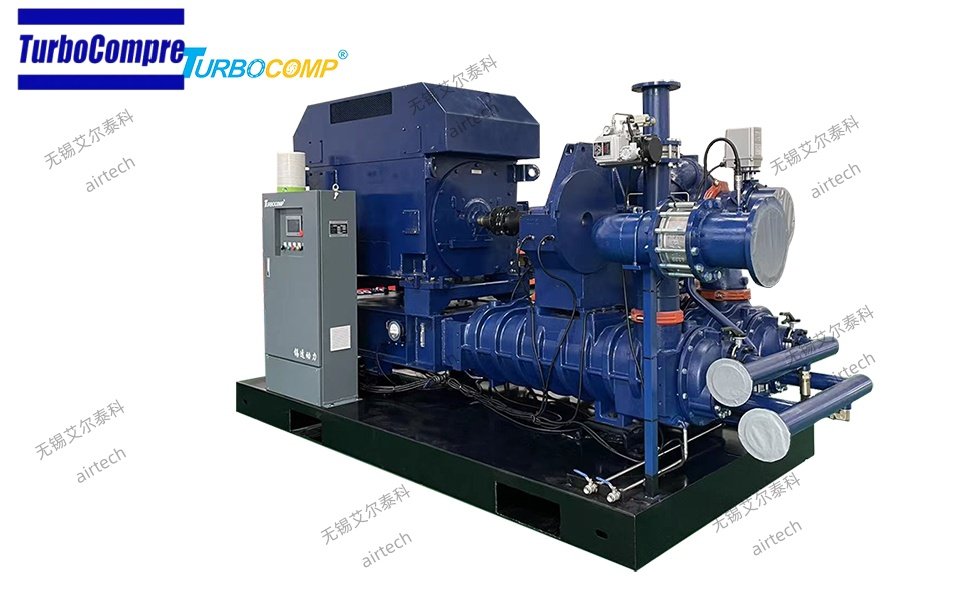
Main Energy Consumption Pain Points of Traditional Compression Equipment
Positive displacement compressors widely used in traditional factories have obvious energy consumption shortcomings in large-flow continuous production scenarios, which are the core causes of high industrial power consumption:
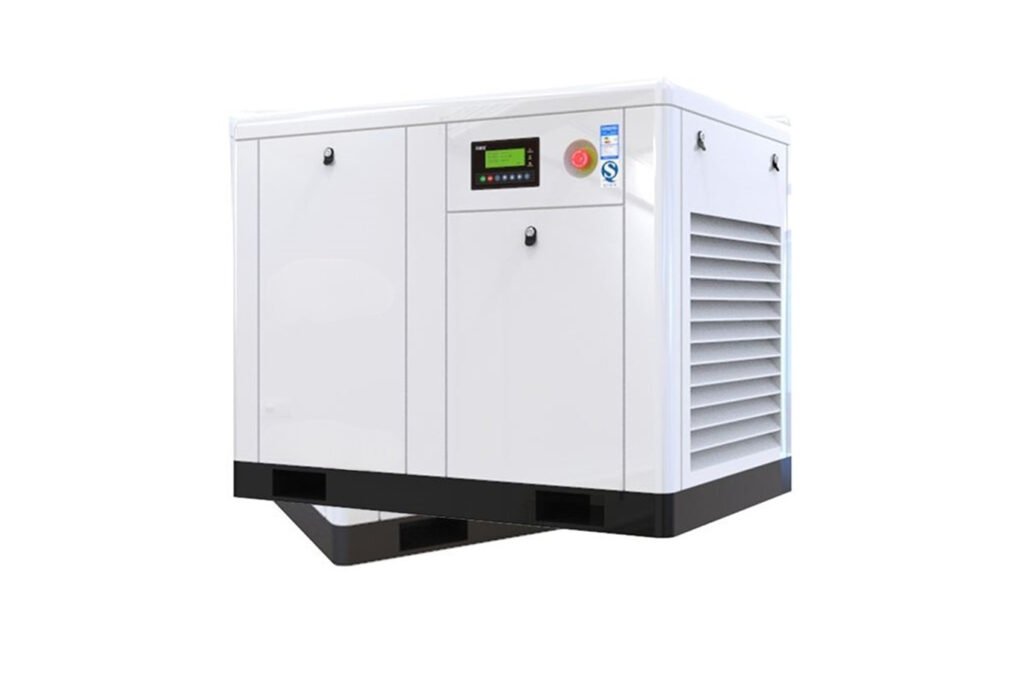
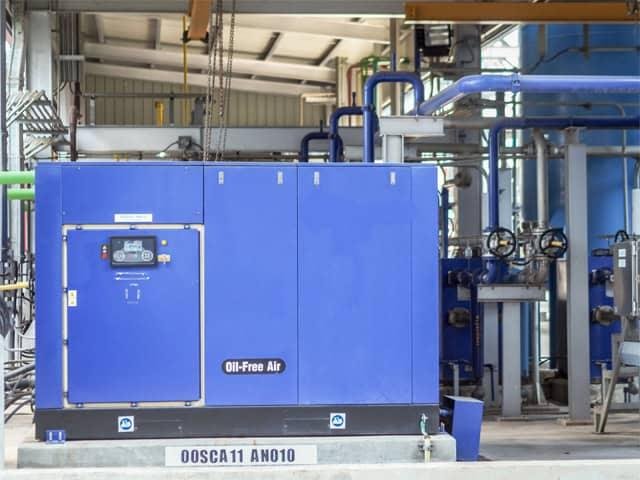
- High compression heat loss: Single-stage compression causes sharp temperature rise, converting a large amount of electric energy into invalid thermal energy with low energy utilization rate.
- Severe energy waste under variable loads: Traditional compressors cannot accurately adapt to fluctuating working conditions, resulting in huge energy loss during no-load and light-load operation.
- Airflow pulsation loss: Intermittent compression structure causes air pressure fluctuation and increases system resistance loss.
- Rapid efficiency attenuation: Severe mechanical wear leads to obvious energy efficiency decline after 1-2 years of operation, causing rising power consumption year by year.
Core Energy-Saving Working Principles of Centrifugal Flow Compressors
Different from the volume compression mode of traditional compressors, Centrifugal-flow compressors adopt the dynamic fluid energy conversion principle. High-speed turbo structure realizes efficient gas pressurization, and multiple energy-saving technologies are applied to achieve low energy consumption and high efficiency fundamentally.
Efficient Fluid Kinetic Energy Conversion Mechanism
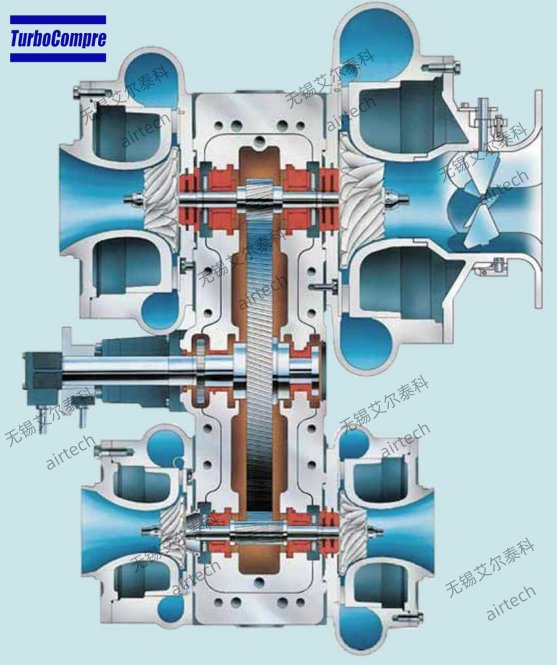
Centrifugal flow compressors belong to professional turbo machinery. The core energy-saving advantage comes from precise aerodynamic design. The high-speed rotating impeller drives gas flow, efficiently converts mechanical energy into gas kinetic energy, and then turns kinetic energy into static pressure energy steadily through the diffuser. The whole compression process is continuous and stable without intermittent mechanical extrusion, which greatly reduces mechanical friction loss and pressure pulsation loss, delivering far higher energy conversion efficiency than traditional compression equipment.
Multi-Stage Compression with Intercooling Energy-Saving Technology
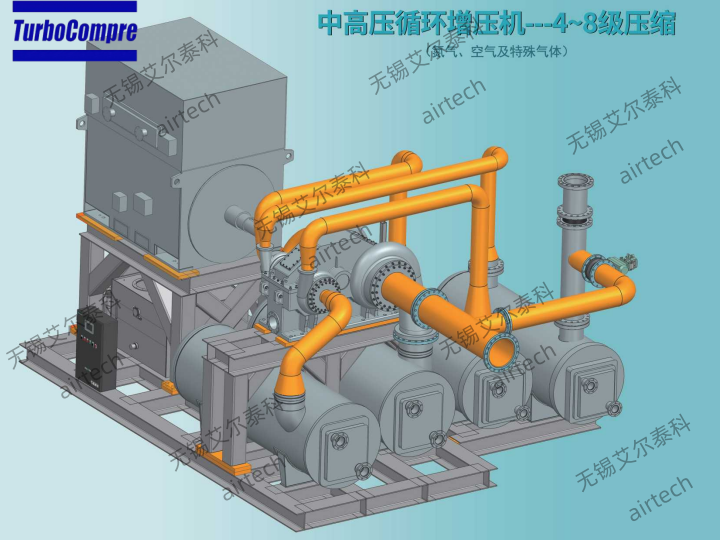
Single-stage compression leads to drastic gas temperature rise. Higher temperature brings greater compression resistance and higher energy consumption. High-end industrial centrifugal compressors adopt a multi-stage compression + inter-stage forced cooling structure, dividing high-pressure ratio compression into multiple low-amplitude pressurization processes.
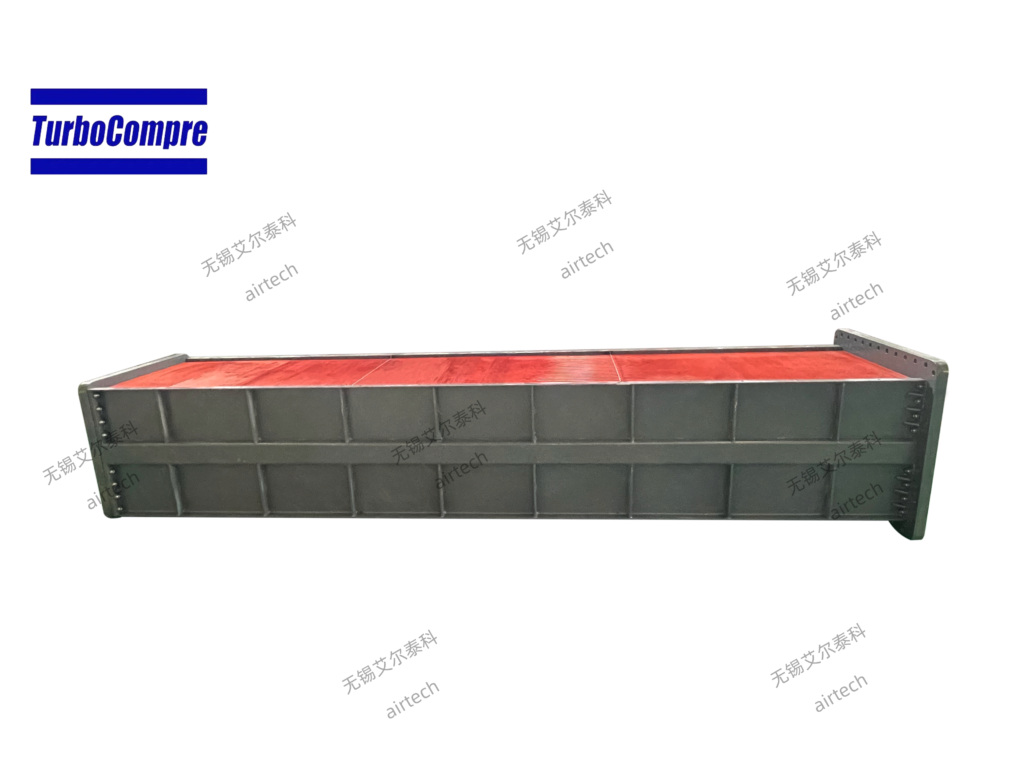
The high-temperature gas after each stage of compression is quickly cooled by the intercooler to reduce the inlet temperature of the next stage, effectively lowering compression work load and avoiding energy waste caused by thermal accumulation. This core industrial technology can reduce the overall unit energy consumption by 15%~25%.
IGV Adaptive Inlet Guide Vane Energy-Saving Logic
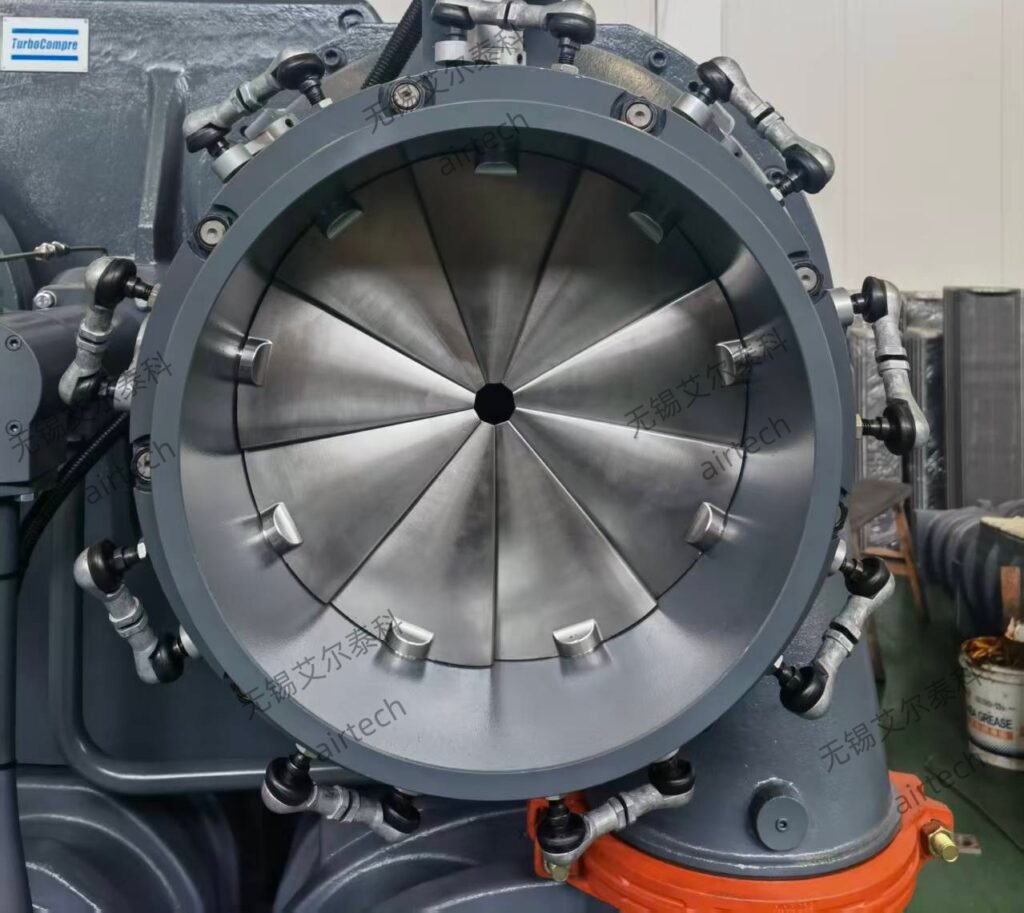
To solve the problem of fluctuating industrial production loads, centrifugal flow compressors are equipped with an intelligent Inlet Guide Vane (IGV) adjustment system. The unit automatically adjusts the inlet angle and air intake volume according to real-time gas flow and pressure requirements to accurately match production working conditions.
Compared with the unloading adjustment mode of traditional compressors, IGV adaptive adjustment requires no venting pressure relief and no no-load standby. It maintains high-efficiency operation within 70%~100% load range, completely eliminating energy waste under variable working conditions, making it ideal for 24-hour continuous production scenarios with frequent load fluctuations.
Low-Loss Turbo Compressor Structural Design Advantages
Optimized centrifugal-flow compressors adopt lightweight and high-precision integral rotor structure without reciprocating moving parts, realizing extremely low mechanical friction loss. Meanwhile, the entire flow passage is optimized through aerodynamic simulation with smooth inner walls and minimal resistance, effectively reducing gas flow loss and eddy current loss, ensuring the unit always operates in the optimal energy efficiency range under rated working conditions.
Energy Efficiency Advantages of Centrifugal-Flow Compressors Over Traditional Models
In large-scale continuous industrial air supply scenarios, centrifugal flow compressors present comprehensive energy efficiency advantages over traditional positive displacement compressors, mainly reflected in four dimensions:
- Lower energy consumption in steady operation: Under full-load and large-flow working conditions, the energy consumption per unit gas production is much lower than screw and piston compressors, bringing significant long-term power-saving effects.
- Stronger variable working condition adaptability: Intelligent guide vane adjustment adapts to load fluctuations, eliminates venting and no-load energy loss, and fits diverse production scenarios.
- Stable long-term energy efficiency: Precise structure with minimal wear ensures stable operation efficiency without annual energy consumption surge.
- Low overall system loss: Steady air supply without pulsation reduces resistance loss of pipelines and supporting equipment, improving the overall energy efficiency of the air compression system.
Industrial Unit Energy Efficiency Improvement Design Comparison Table
Energy-Saving Design Module | Energy-Saving Principle | Actual Energy Efficiency Improvement |
Multi-stage Intercooling Structure | Gradual pressure and temperature reduction to lower compression workload | 15%-25% overall energy saving |
IGV Inlet Guide Vane System | Accurately match gas demand and eliminate venting loss | 10%-18% energy saving under variable loads |
Optimized Aerodynamic Flow Channel Design | Reduce gas eddy current and flow resistance loss | 5%-8% overall efficiency improvement |
Low-friction High-speed Rotor Structure | Minimize invalid mechanical friction power consumption | 3%-5% mechanical energy loss reduction |
WUXI AIRTECH COMPRESSOR CO.,LTD
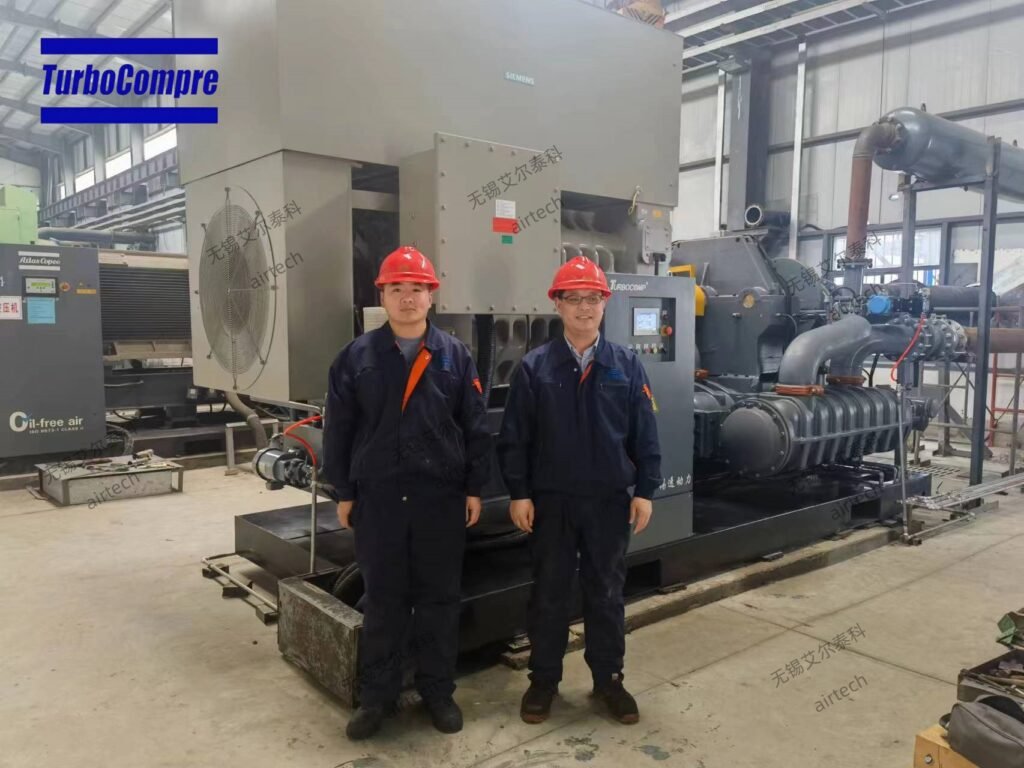
Based in Wuxi, WUXI AIRTECH COMPRESSOR CO.,LTD is a professional manufacturer of industrial centrifugal compression equipment. We own the brand TurboCompre and focus on independent R&D, complete machine manufacturing, and customized solution services of Centrifugal Flow Compressor for global industrial clients.
Equipped with mature fluid dynamics simulation technology, we optimize the aerodynamic structure of impellers, diffusers and flow channels, matched with high-efficiency multi-stage cooling systems and intelligent IGV adjustment systems. Our self-developed centrifugal-flow compressors feature low energy consumption, high efficiency, wide working condition adaptability and stable operation. We can customize exclusive energy-saving models for air separation, petrochemical, metallurgy, new energy and large manufacturing industries, perfectly adapting to 24-hour continuous large-flow industrial production.
Different from general compression equipment, our industrial centrifugal compressors focus on energy saving and consumption reduction in all links including aerodynamic design, structural optimization and intelligent control, helping industrial customers reduce long-term power costs, improve overall production efficiency and realize low-carbon and high-efficiency production.
References
[1] ISO 4376:2024. Cycle Energy Requirement Test Method for Industrial Compressors. International Organization for Standardization, 2024. https://www.iso.org/standard/85352.html
[2] ISO 10439-2:2015. Petroleum, petrochemical and natural gas industries – Axial and centrifugal compressors and expander-compressors. International Organization for Standardization, 2015. https://www.iso.org/standard/56884.html
[3] ISO 10439-3:2015. Petroleum, petrochemical and natural gas industries – Integrally geared centrifugal compressors. International Organization for Standardization, 2015. https://www.iso.org/standard/56885.html
[4] ISO 18483:2025. Performance Rating of Centrifugal Refrigerant Compressors. International Organization for Standardization, 2025.